

Aging & Metabolism
Metabolism produces the building blocks and energy necessary for life through an elegant series of dynamically regulated biochemical transformations. Defects in metabolism arise as we age. Scientists in the Aging & Metabolism Research Program have a common interest in the metabolic basis of age-related disease and in extending the health of our aging population.
Areas of Study
Our scientists and labs within the Aging & Metabolism Research Program study:
- Healthy aging
- Muscle
- Age-related diseases
Benjamin Miller, Ph.D.
Professor and Program Chair
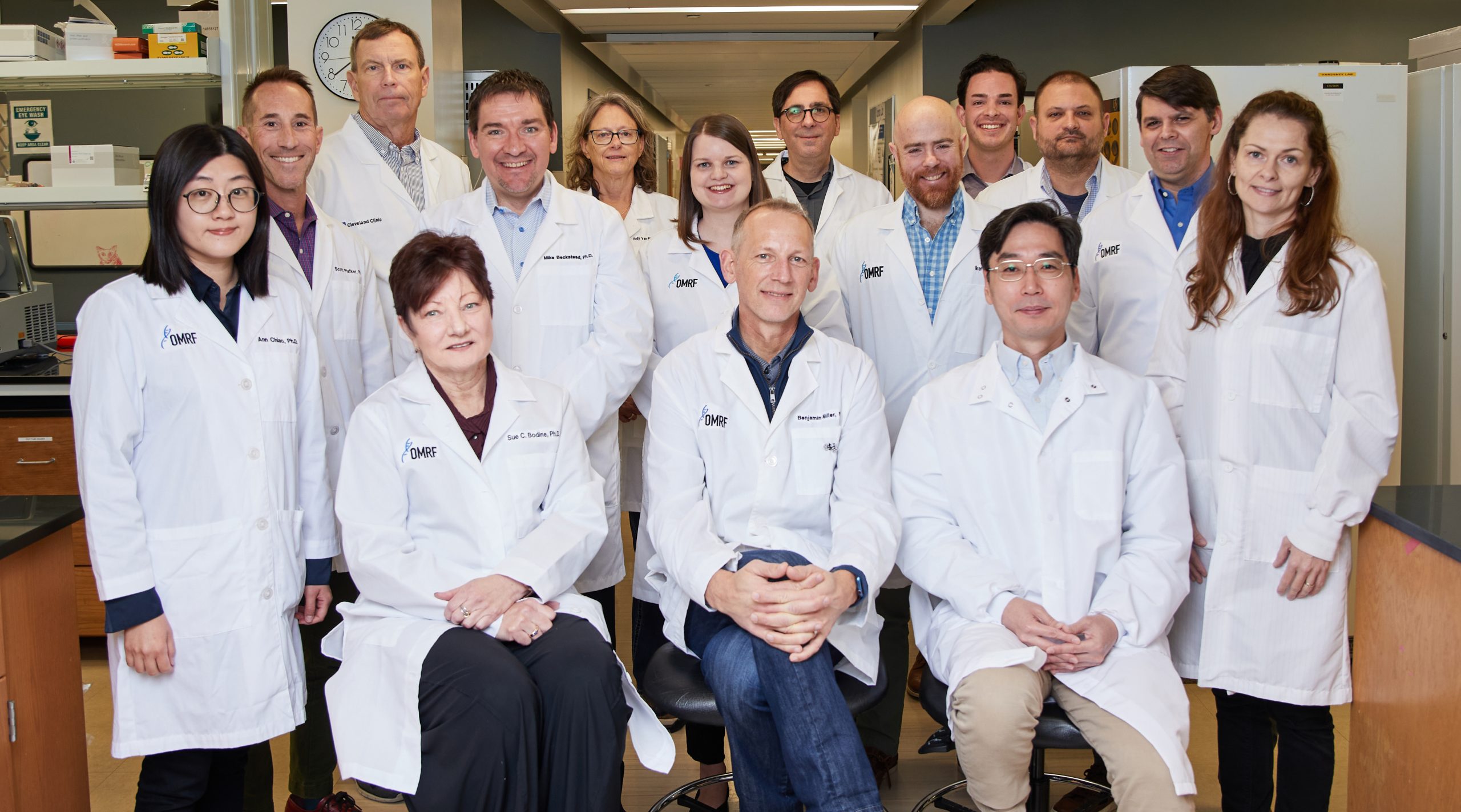
Michael Beckstead, Ph.D.
Professor
Sue Bodine, Ph.D.
Professor
Ann Chiao, Ph.D.
Assistant Professor
Jon Iker Etchegaray, Ph.D.
Assistant Professor
Zachary Hettinger, Ph.D.
Assistant Professor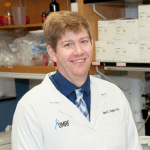
David Hughes, Ph.D.
Assistant Professor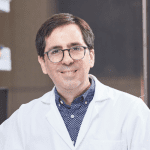
Kenneth M. Humphries, Ph.D.
Professor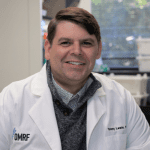
Tommy Lewis, Jr., Ph.D.
Assistant Professor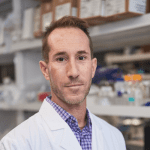
Scott M. Plafker, Ph.D., R.Ph.
Professor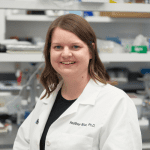
Heather Rice, Ph.D.
Assistant Professor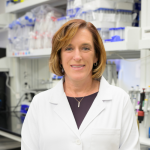
Amanda Sharpe, Ph.D.
Associate Professor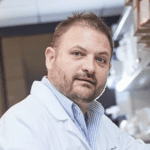
Michael B. Stout, Ph.D.
Associate Professor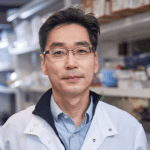
Wan Hee Yoon, Ph.D.
Associate Professor
Kamil Kobak, Ph.D.
Research Assistant Professor
Holly Van Remmen, Ph.D.
Professor EmeritusContact
Aging & Metabolism Research Program
MS 21
825 NE 13th St.
Oklahoma City, OK 73104
Arthritis & Clinical Immunology
The human immune system is critical for protection against infections and cancer, but diseases of the immune system can be devastating. These include allergic responses, immunodeficiencies and immune reactions directed against self, called autoimmunity. Autoimmune diseases afflict at least one in twelve Americans and are a leading cause of disability and early death in young women of child-bearing age. Our mission is to improve the lives of patients through a continuum of basic mechanistic studies, clinical research, industry collaborations and clinical care.
Scientists in Arthritis & Clinical Immunology focus on understanding systemic autoimmunity and deciphering basic immunologic concepts. Our studies address the etiology, pathogenesis and molecular mechanisms of complex human autoimmune diseases, such as systemic lupus erythematosus, Sjögren’s disease, rheumatoid arthritis, inflammatory myositis, multiple sclerosis (MS) and thrombotic thrombocytopenic purpura. Our studies on immune development and mechanisms of immune protection or perturbation have broad impact on immune responses to vaccination or infection.
Our investigators use a wide range of genetic, genomic, proteomic, immunologic and molecular approaches. To facilitate these patient-oriented research activities, some of our scientists are also developing novel methods to mine large datasets and evaluate complex human genetic diseases.
In addition, the Arthritis & Clinical Immunology program houses resources that are essential for many investigators in our program and in the larger autoimmune disease research community. These include the Biorepository Core, Clinical Immunology Laboratory, Myositis Testing Laboratory, Human Antibody Core, Clinical Genomics Center and Phenotyping Core. Many of these cores were established and funded through ongoing federal grants, leveraging equipment purchased and serviced by OMRF. Our investigators also benefit from departmental journal clubs, seminar series, intentional mentorship and collaborative, multi-investigator scientific projects.
Areas of Study
- Immunology
- Genetics
- Epigenetics
- Genomics
- Novel Analytics
- Systems biology
Judith James, M.D., Ph.D.
OMRF Executive Vice President & Chief Medical Officer
Robert Axtell, Ph.D.
Associate Professor
Umesh Deshmukh, Ph.D.
Professor
A. Darise Farris, Ph.D.
Professor
Jacquelyn Gorman, Ph.D.
Assistant Professor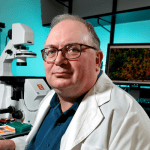
Joel Guthridge, Ph.D.
Associate Professor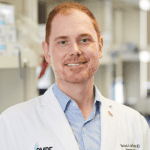
Matlock Jeffries, M.D.
Associate Professor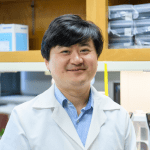
Rufei Lu, M.D., Ph.D.
Assistant Professor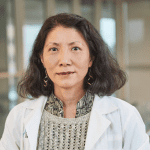
Yang Mao-Draayer, M.D., Ph.D.
Professor
Joan T. Merrill, M.D.
Professor
Swapan K. Nath, Ph.D.
Professor
Gabriel Pardo, M.D.
Professor
Robert H. “Hal” Scofield, M.D.
Professor
Xiao-Hong Sun, Ph.D.
Professor
Linda F. Thompson, Ph.D.
Professor
Meng Zhao, Ph.D.
Assistant Professor
Cristina Arriens, M.D., MSCS
Clinical Associate Professor
Harini Bagavant, Ph.D.
Research Associate Professor
Chelsea Berkley, M.D.
Clinical Assistant Professor
Amanda Moyer, M.D.
Clinical Assistant Professor
Melissa E. Munroe, M.D., Ph.D.
Research Associate Professor
Kenneth Smith, Ph.D.
Research Associate Professor
José Alberola-Ila, M.D., Ph.D.
Professor Emeritus
Susan Kovats, Ph.D.
Professor EmeritusContact
Arthritis & Clinical Immunology Research Program
MS 53
825 NE 13th St.
Oklahoma City, OK 73104
Cardiovascular Biology
The Cardiovascular Biology Research Program investigates fundamental mechanisms involved in blood and lymphatic vessel function, atherogenesis, blood coagulation, inflammation, and sepsis.
This program utilizes a multidisciplinary approach to address these questions at a molecular level. This approach encompasses structural biology, structure-function analysis of enzymes and receptors, regulation of the relevant genes, in vivo studies using transgenic and gene deletion approaches, cell biology, protein chemistry, physiological studies, and biophysical methods for analyzing protein-protein, membrane-protein, and cell-cell interactions.
The multidisciplinary approach provides insights into processes with relevance to many human diseases, including heart attack, stroke, septic shock, cancer, and inflammatory bowel disease. Several findings by program members have generated patents and licenses that may lead to new diagnostics and therapeutics.
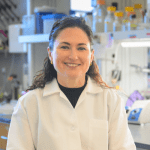
Courtney Griffin, Ph.D.
Vice President of Research and Professor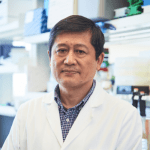
Lijun Xia, M.D., Ph.D.
Professor and Program Chair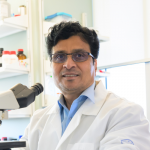
Jasimuddin Ahamed, Ph.D.
Associate Professor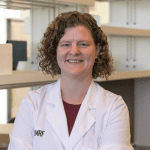
Audrey Cleuren, Ph.D.
Assistant Professor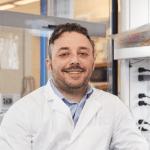
Brian Coon, Ph.D.
Assistant Professor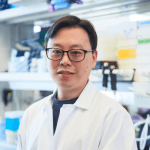
Chi Fung Lee, Ph.D.
Assistant Professor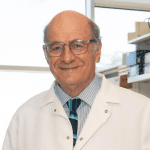
Florea Lupu, Ph.D.
Professor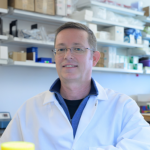
Lorin Olson, Ph.D.
Professor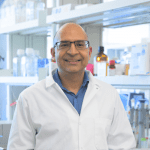
Sathish Srinivasan, Ph.D.
Professor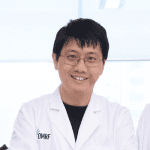
Pengchun Yu, Ph.D.
Assistant Professor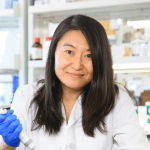
Xin Geng, Ph.D.
Research Assistant Professor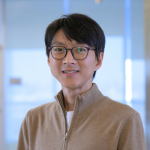
Hae Ryong Kwon, Ph.D.
Research Assistant Professor
Robert Silasi, Ph.D.
Research Assistant ProfessorContact
Cardiovascular Biology Research Program
MS 45
825 NE 13th St.
Oklahoma City, OK 73104
Cell Cycle & Cancer Biology
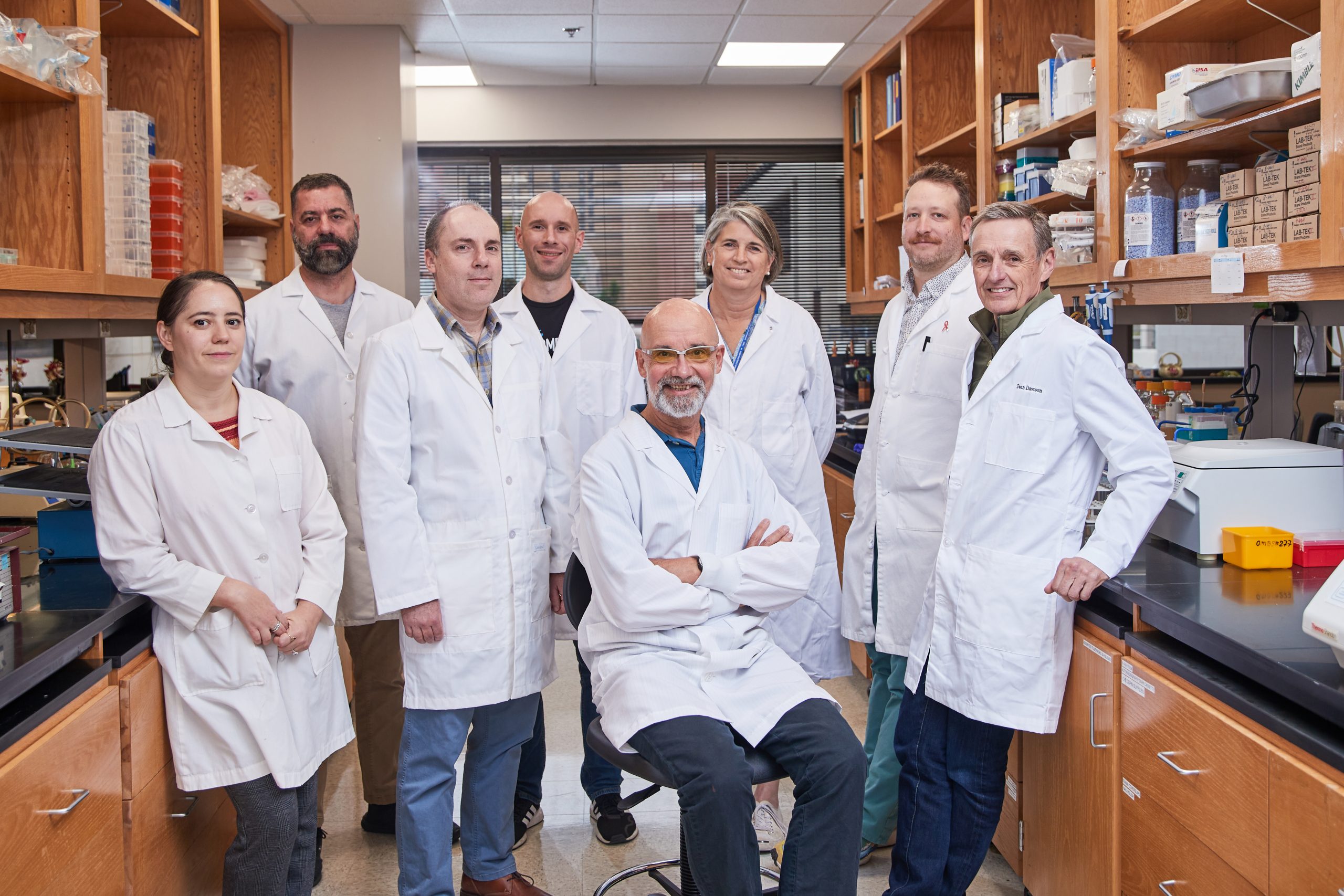
The Cell Cycle & Cancer Biology Research Program focuses on basic biological processes that control cell growth and cell division. Researchers within this program use cutting-edge technologies in molecular biology, genetics, and advanced microscopy to investigate the factors that regulate genome stability in experimental systems such as budding yeast, Xenopus laevis, mouse, zebrafish, and cultured mammalian cells.
The contributions made by members of CCCB in illuminating the normal pathways of cell division and the malfunctions that lead to chromosome abnormalities have important implications for human diseases including birth defects and cancer.
Gary J. Gorbsky, Ph.D.
Professor and Program Chair
Dean Dawson, Ph.D.
Professor
Rafal Donczew, Ph.D.
Assistant Professor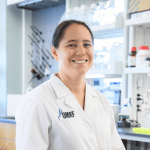
Elizabeth Finn, Ph.D.
Assistant Professor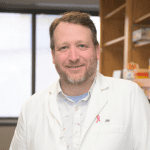
Jacob G. Kirkland, Ph.D.
Assistant Professor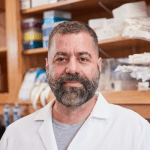
Roberto Jose Pezza, Ph.D.
Associate Professor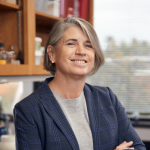
Susannah Rankin, Ph.D.
Professor
Christopher L. Sansam, Ph.D.
Associate ProfessorContact
Cell Cycle & Cancer Biology
MS 48
825 NE 13th St.
Oklahoma City, OK 73104
Genes & Human Disease
The human genome is composed of more than 3 billion nucleotides that essentially functions as a molecular hard drive that stores all the information needed for how the cells in our body function. Of the 3 billion nucleotides, roughly 2% encodes for the different proteins that perform the various cellular functions needed for life. The remaining 98% of the human genome regulates what, when, and how each gene is expressed during the life of a cell. The random inheritance of different variations of the DNA sequences of encoded genes and non-protein coding regulatory regions from a person’s parents provides, in many ways, the characteristics that make each individual unique. Unfortunately, inheritance of genetic variations also increases a person’s risk of developing different human diseases.
The Genes and Human Disease Research Program focuses on identifying and understanding how genetic variations cause human diseases. While our investigators share this focus, each has their own specific interests including determining the function of non-coding RNA, and understanding how the complex 3D organization of the genome, disease-associated non-coding variants, and the epigenome regulate gene expression in health and disease. In addition, our faculty are developing and applying new machine and deep-learning approaches to identify new disease-associated genetic variations and define disease-associated gene networks.
The Genes and Human Disease Research Program works closely with the OMRF CLIA certified Clinical Genomics Center, the OMRF CAP-accredited Biorepository and the OMRF Quantitative Analysis Core. These Cores were established using funding from various grants through the NIH Institutional Development Award (IDeA) program, and continue to be supported by the OMRF. Our investigators benefit from the state-of-the-art sequencing technologies, sample procurement, processing and storage, and data analysis expertise afforded by these Cores.
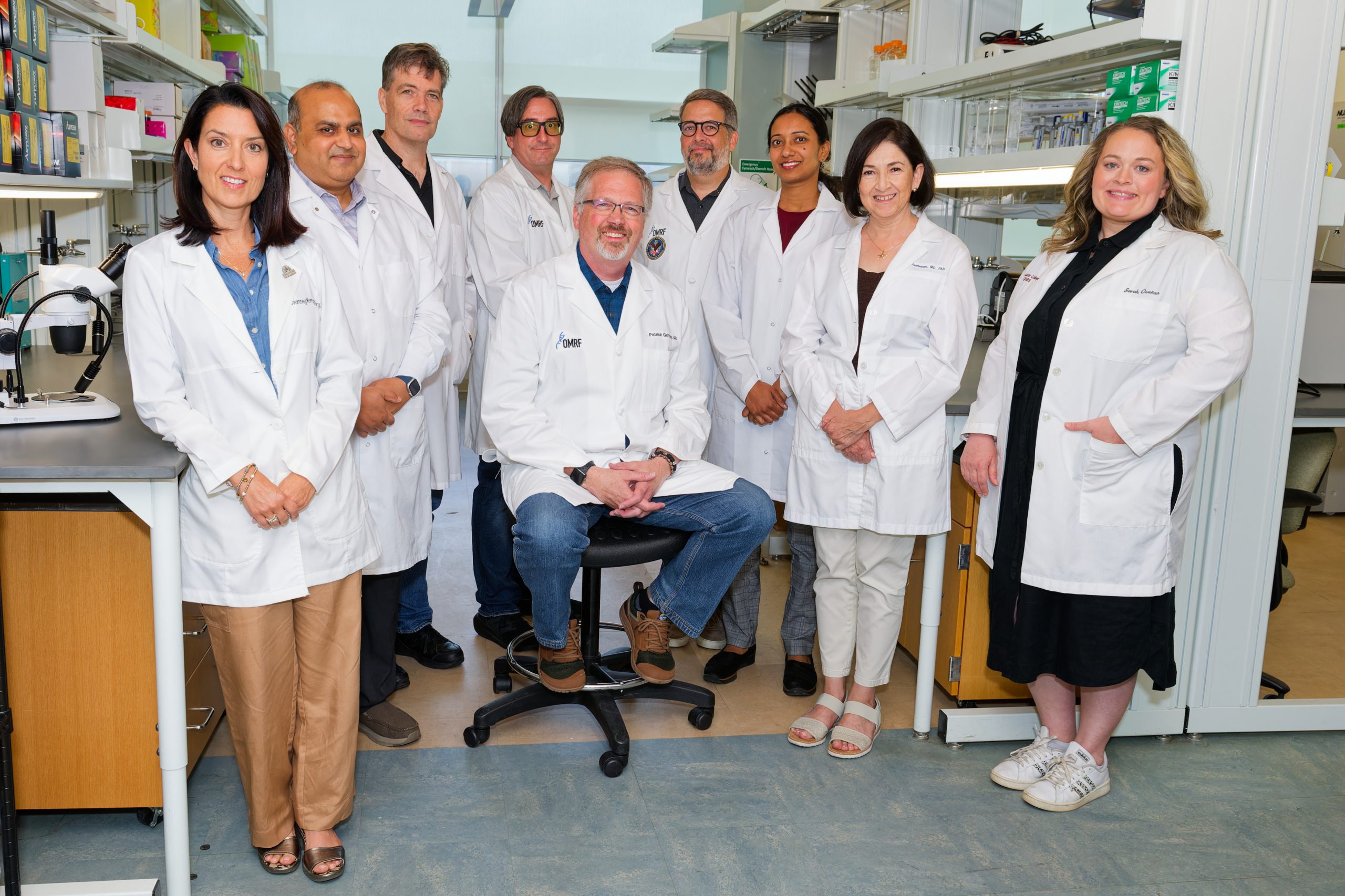
Patrick M. Gaffney, M.D.
Professor and Program Chair
Willard “Bill” Freeman, Ph.D.
Professor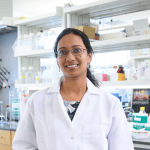
Jaya Krishnan, Ph.D.
Assistant Professor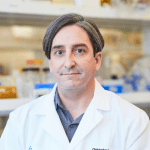
Christopher J. Lessard, Ph.D.
Professor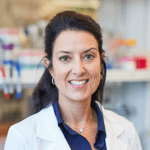
Courtney Montgomery, Ph.D.
Professor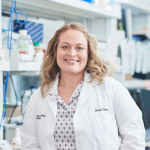
Sarah Ocañas, Ph.D.
Assistant Professor
Gaurav Varshney, Ph.D.
Associate Professor