Adam’s Journal
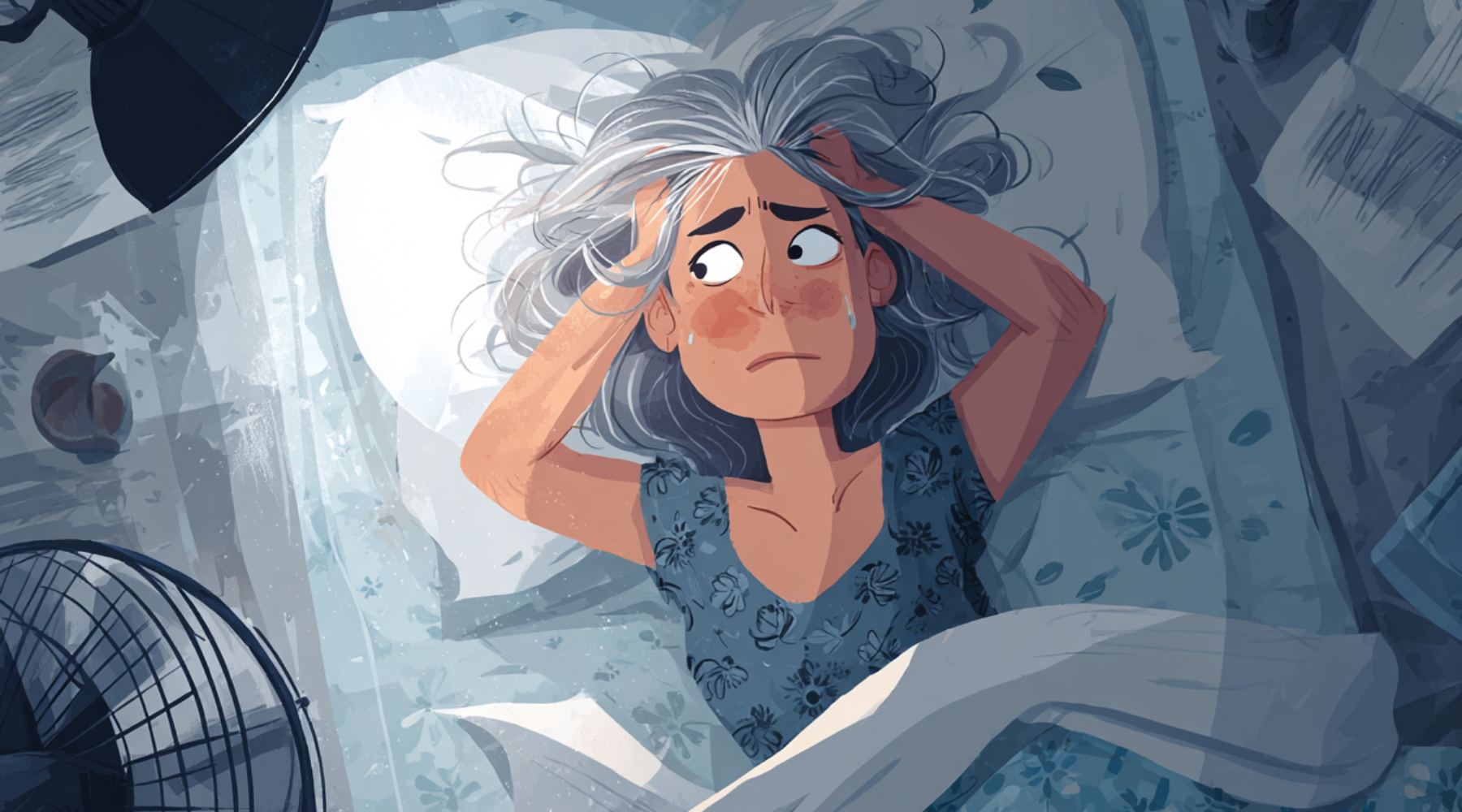
I saw that the Food and Drug Administration is removing safety warnings for hormone replacement therapy creams, pills and patches. Why the about-face? And what does this mean for menopausal and perimenopausal women?
Dr. Scofield Prescribes
The so-called black box warning has appeared on hormone replacement products since 2003, when large government-run clinical trials concluded that hormone pills failed to protect against dementia or heart disease and also increased the risk of breast cancer and blood clots.
Before that time, about 25% of women over 40 used hormone therapy for menopausal symptoms like hot flashes, night sweats and sleep loss. Today, that number has dropped to less than 2%.
The FDA’s decision to remove the warnings stems from a series of new and more thorough studies showing that hormone therapies can have numerous benefits that, for most women, outweigh potential risks.
Specifically, the FDA cited research that found when women start the therapy within 10 years of menopause, there’s a reduction in all-cause mortality, along with significant cuts in risks for heart attack (50%), cognitive decline (64%) and Alzheimer’s (35%). The agency also cited trials showing the therapy wasn’t associated with increased cancer mortality – and that hormone therapy begun before the age of 60 appears to decrease the chance of death from cancer.
Studies since 2003 also point to other benefits from hormone therapy: less osteoporosis, lower risk for colorectal cancer, fewer urinary tract infections, and, unsurprisingly, fewer menopause symptoms.
In addition to this new and better evidence, poor data interpretation appears to have played a role in the FDA’s original decision to attach warnings to all treatments. Of particular note is that many of the participants in the initial studies were in their 60s or 70s when they began hormone therapy, which has since been found to be too late to result in significant benefits for most.
Hormone therapy is not for all women: Those with a history of blood clots or breast cancer fueled by hormones should avoid it. But for most women experiencing symptoms of perimenopause or menopause, the benefits of hormone therapy seem to outweigh the risks.
–
Dr. Hal Scofield is a physician-scientist at the Oklahoma Medical Research Foundation, and he also serves as Associate Chief of Staff for Research at the Oklahoma City VA Medical Center. Adam Cohen is OMRF’s senior vice president and general counsel. Send your health questions to contact@omrf.org.