Adam’s Journal
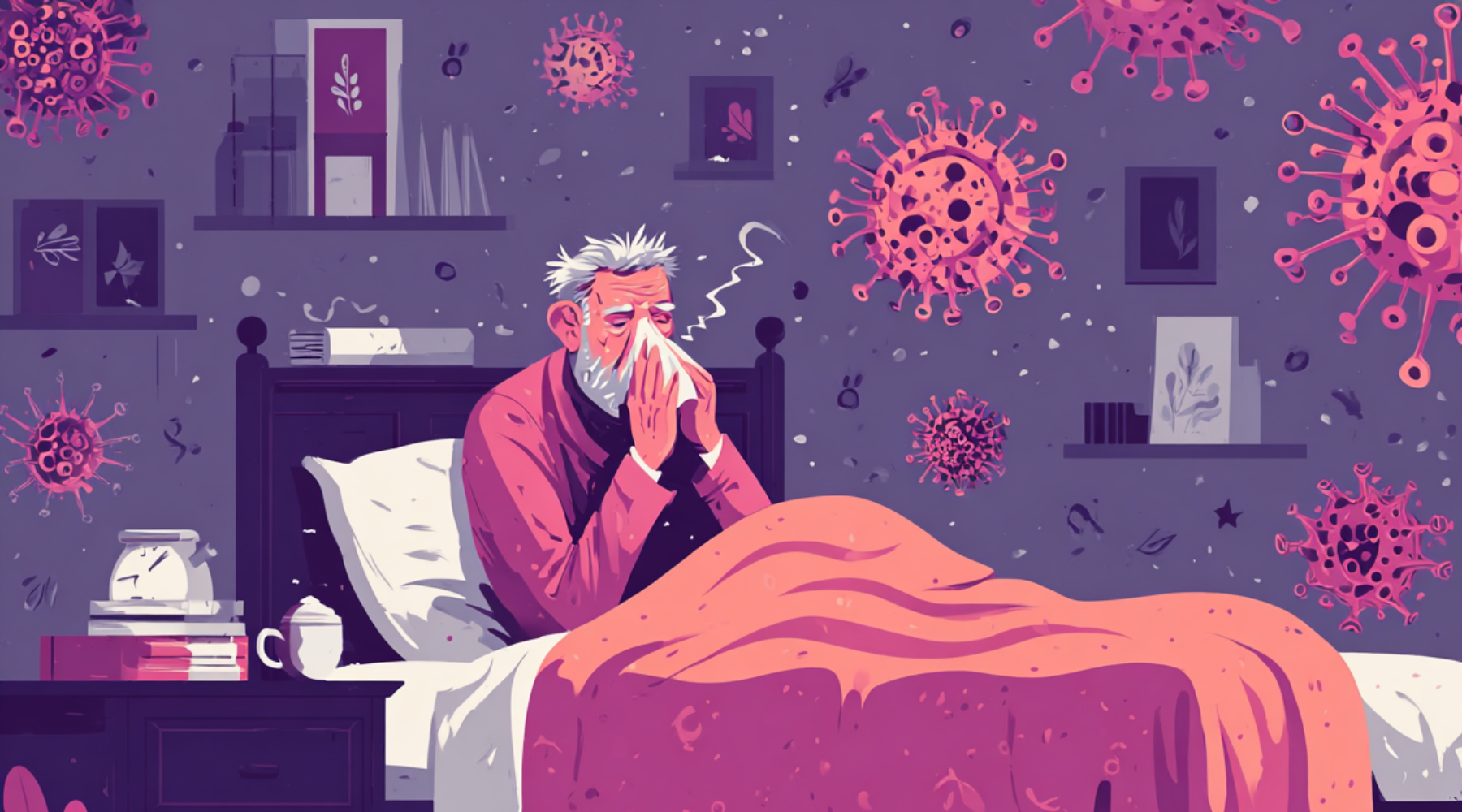
Flu seems to be everywhere these days, and this year’s flu season seems like it’s going to be worse than usual. Why is that?
Dr. Scofield Prescribes
As of this writing, I’m preparing to go on rounds at the Oklahoma City VA Hospital tomorrow. I already know that much of my morning will be devoted to caring for patients with influenza.
Although we’re still fairly early in the flu season, Oklahoma’s flu levels are currently high, with signs pointing to a continued upswing in cases. This is in line with what’s going on across the country, where some states are reporting the most cases and hospitalizations in decades.
The culprit behind this surge is an influenza variant known technically as H3N2 subclade K, this year’s dominant strain of the flu. While H3N2 is a common strain, what’s new is the specific type – subclade K – which contains several mutations that differentiate it from previous versions.
As a result, it does a good job of evading immunity the body might have from previous flu infections. Likewise, it also seems adept at infecting those who received this year’s flu vaccination, which was formulated prior to the emergence of this particular strain.
That’s the bad news. Now, some pieces of better news.
First, while this year’s flu variant is spreading faster than usual, at least at this time, it doesn’t appear any more virulent than typical strains we’ve seen. Current reports seem to show that when people get infected, they’re no more likely to require hospitalization than in past years.
Second, early data – which is consistent with what we’ve seen in the past – indicates that while vaccination may not prevent people from getting infected, it does lessen the chances that anyone who gets sick will need to go to the hospital.
In Oklahoma, flu season typically peaks at the end of January and beginning of February, an unwelcome post-script to all of those get-togethers over the holidays. So, we likely have yet to see the worst of things.
If you have yet to get vaccinated, this is good news. It means that you still have time to get a shot and boost your immunity ahead of this peak. Although the shot may not prevent you from getting the flu, it will lessen your chances of becoming severely ill if you do.
–
Dr. Hal Scofield is a physician-scientist at the Oklahoma Medical Research Foundation, and he also serves as Associate Chief of Staff for Research at the Oklahoma City VA Medical Center. Adam Cohen is OMRF’s senior vice president and general counsel. Send your health questions to contact@omrf.org.