

Basic research like that conducted in OMRF laboratories focuses on the mechanisms and triggers that lead to human diseases and disorders. By observing the normal biological processes at the molecular level, scientists can ask important questions that yield better understanding of disease formation. How do normal cells become abnormal and lead to cancer? Why does the immune system sometimes attack the body’s own tissues? What happens in the brain to cause Parkinson’s or Alzheimer’s disease?
These and countless questions like them form the foundation of the research studies underway at OMRF. And the search for answers, more often than not, leads to yet more questions—questions that OMRF researchers strive to answer in hopes that more will live longer, healthier lives.
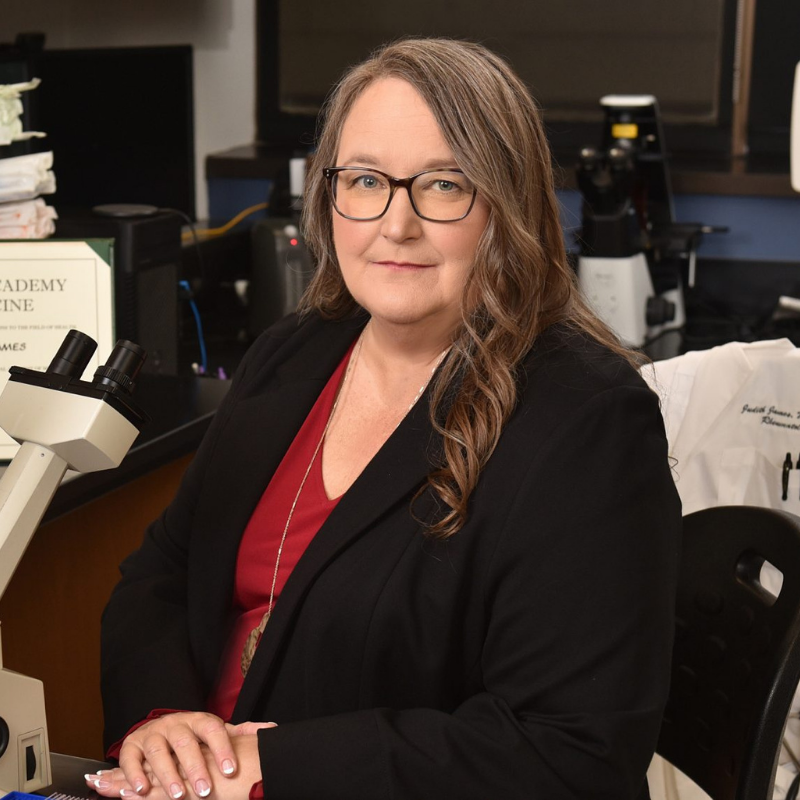

OMRF’s Arthritis & Clinical Immunology program, led by Dr. Judith James, investigates arthritis from many angles. One branch of her research focuses on finding genetic biomarkers that could predict RA before symptoms appear.
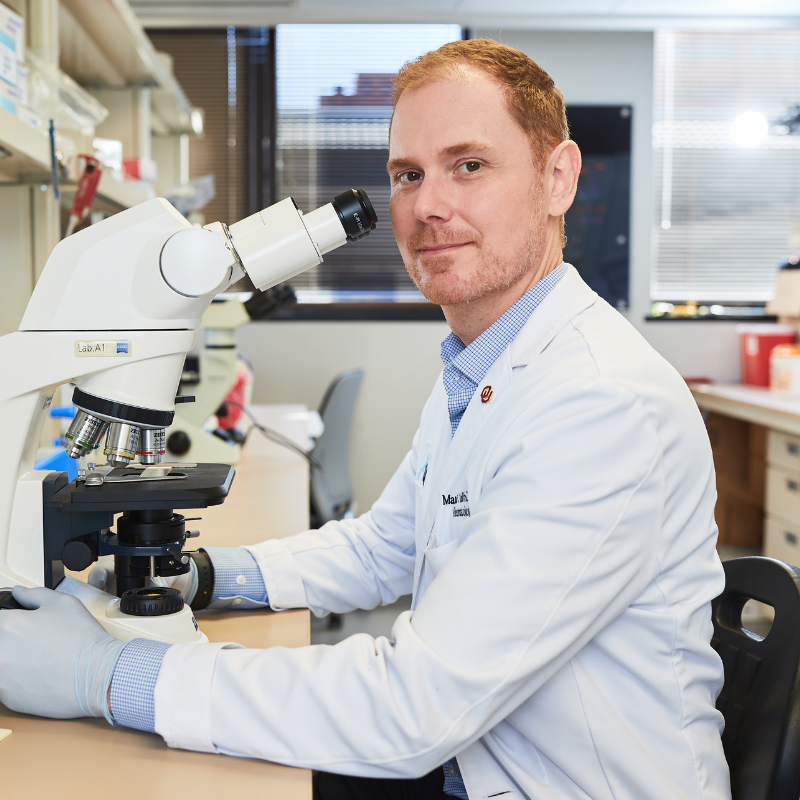

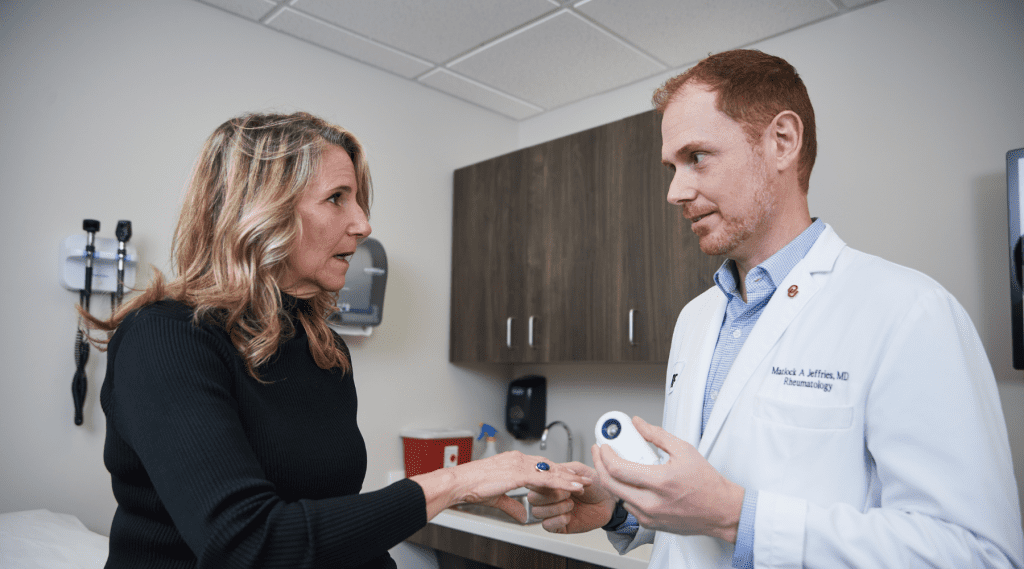
Dr. Matlock Jeffries’ lab studies the connection between OA and the microbiome – how the millions of bacteria, fungi and viruses alive in our bodies affect cartilage healing, especially after joint replacement surgery.
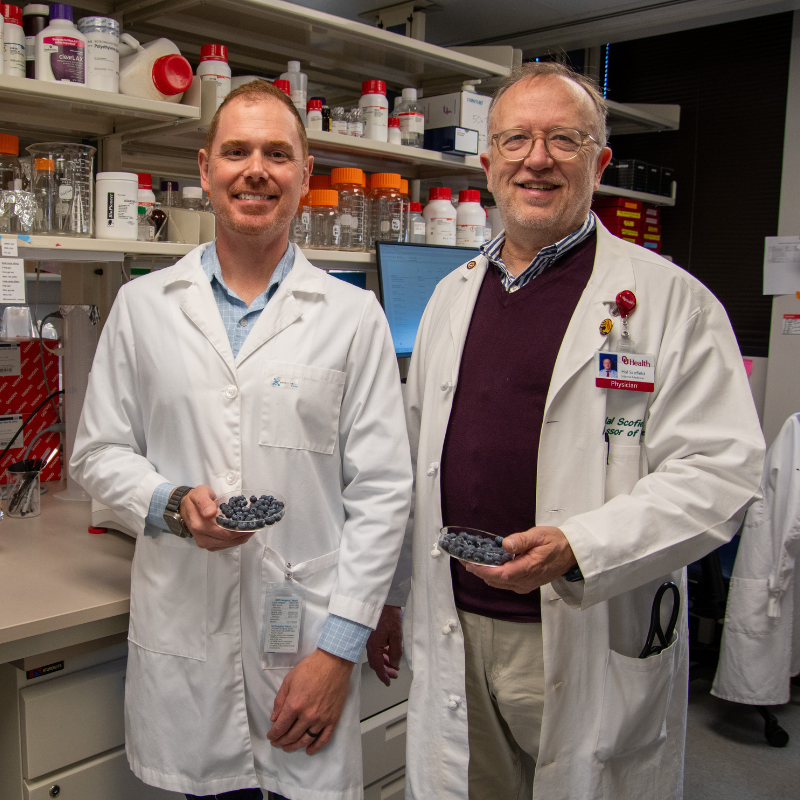

One study from a pair of OMRF scientists turns an eye to nutrition in arthritis treatment. Research into the daily consumption of blueberries shows promise in promoting joint health.
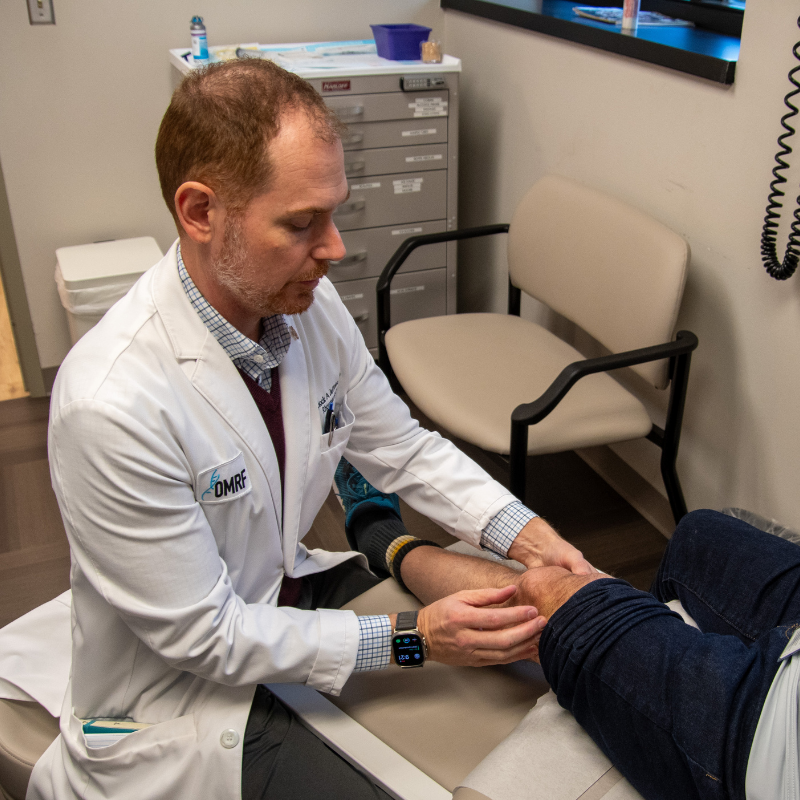

Patients and rheumatologists everywhere use the Vectra test, developed from OMRF research, to measure disease activity in rheumatoid arthritis. The advanced blood test helps to guide treatment decisions and predict future joint damage.


Matlock Jeffries, M.D.
Associate Professor
Robert H. “Hal” Scofield, M.D.
Professor
Cristina Arriens, M.D., MSCS
Clinical Associate Professor
A Multi-Front Approach
OMRF researchers investigate Alzheimer’s at every stage to better understand how to predict, diagnose, treat and possibly prevent the disease. Scientists are studying aging, cell processes and genetics are all engaged in brain research, working to understand how Alzheimer’s and related dementias develop and progress.
With a goal of preventing the plaque buildup that is a hallmark of Alzheimer’s, Dr. Heather Rice rewinds the clock to study the protein that eventually breaks down to create this accumulation. Dr. Mike Beckstead is following a novel path investigating the role of a brain chemical that might be an early indicator of future neurodegeneration. And Dr. Sarah Ocañas studies a risk factor present from birth – how biological sex impacts disease incidence and severity.
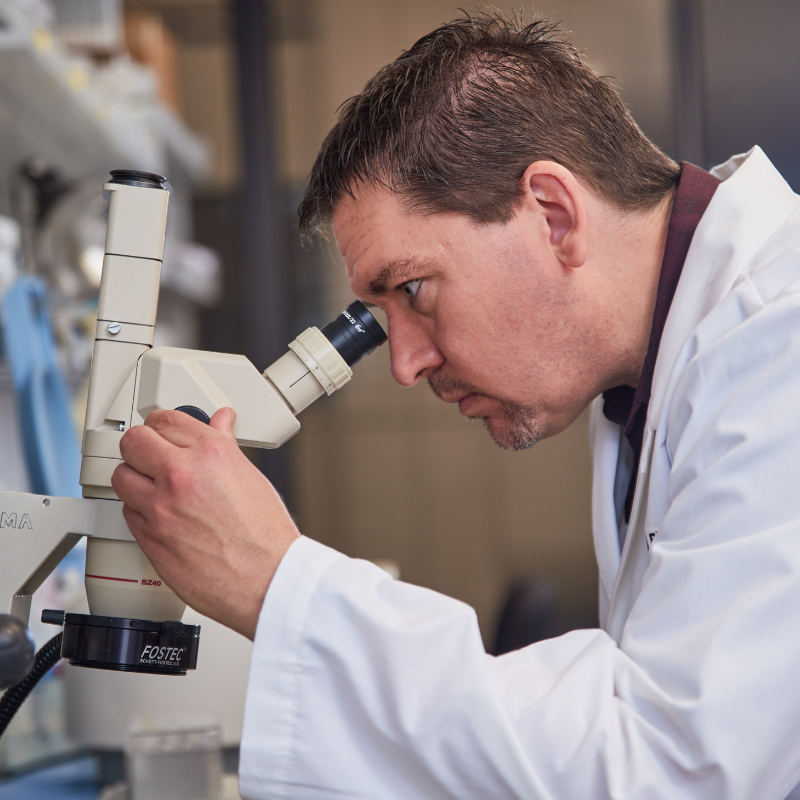
Dr. Mike Beckstead investigates how Alzheimer’s might be predicted by studying dopamine, a chemical that helps with movement and signaling rewards. Overactive dopamine cells in the brain often precede an Alzheimer’s diagnosis.
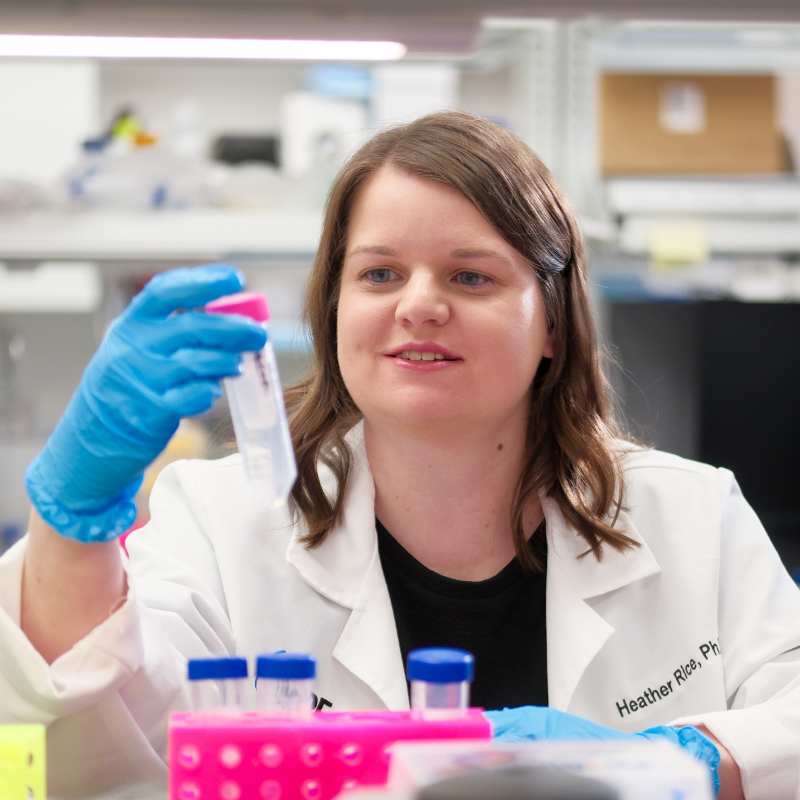
Dr. Heather Rice focuses on a protein that breaks down over time, creating fragments that build up plaque formations, a hallmark of the disease. Understanding this protein may result in a target for early treatment.
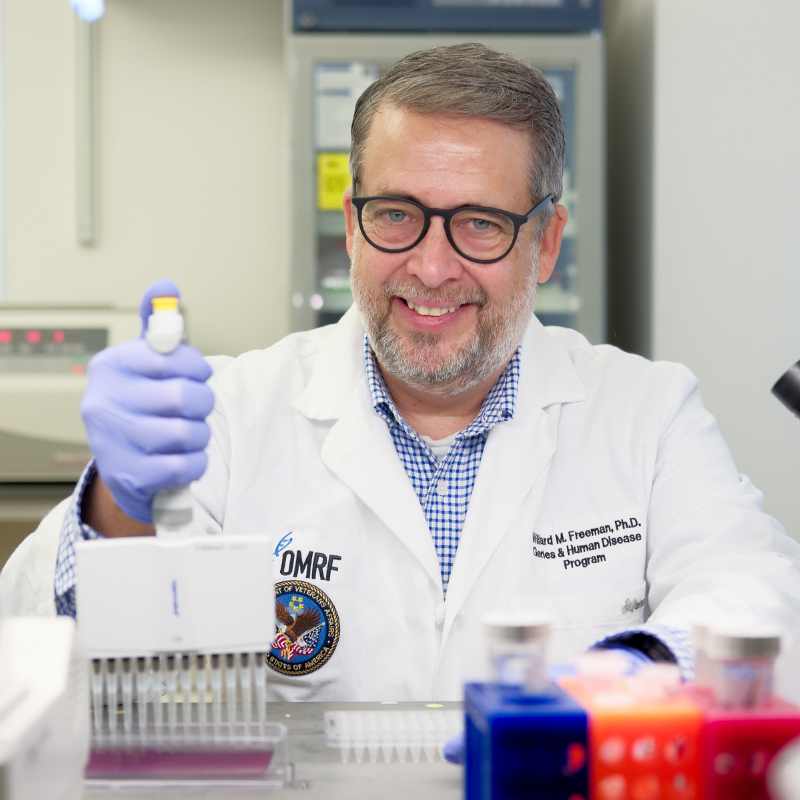
How cell’s DNA is packaged and stored is the main focus of Dr. Bill Freeman’s lab. Aging and environmental factors affect this genetic organization, which could lead to Alzheimer’s Parkinson’s and related dementias.
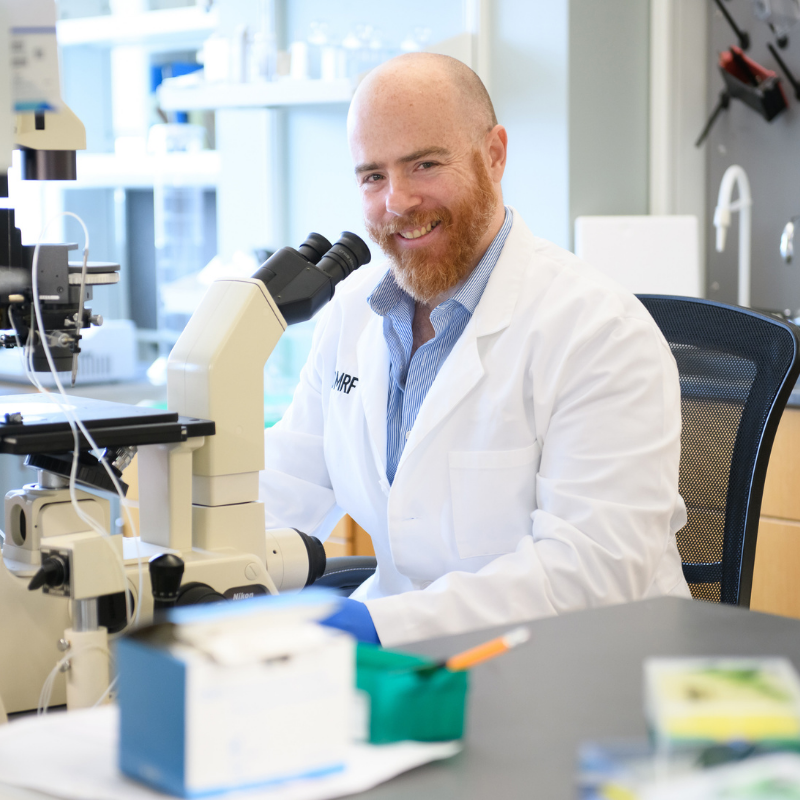
Work in the lab of Dr. Iker Etchegaray centers on how aging creates changes in metabolism, the way bodies use nutrients, which has been linked to Alzheimer’s, age-related vision loss and more.
Michael Beckstead, Ph.D.
Professor
Audrey Cleuren, Ph.D.
Assistant Professor
Jon Iker Etchegaray, Ph.D.
Assistant Professor
Willard “Bill” Freeman, Ph.D.
Professor
Tommy Lewis, Jr., Ph.D.
Assistant Professor
Sarah Ocañas, Ph.D.
Assistant Professor
Heather Rice, Ph.D.
Assistant Professor
Amanda Sharpe, Ph.D.
Associate Professor
Cancer Research Across OMRF
Discoveries from OMRF’s Genes & Human Disease Research Program in areas such as lupus, Alzheimer’s, and diabetes help pave the way for a new understanding of all genetic conditions, including cancer.
Breast Cancer Research at OMRF
Dr. Jake Kirkland studies a chemotherapy drug called doxorubicin, commonly prescribed to treat breast cancer. This drug has earned the nickname “red devil” because it kills cancer cells, but it can take a lot of healthy cells down too, causing devastating side effects.
Dr. Kirkland looks at alterations in genes that could provide insight into which drugs will benefit each patient, allowing for a more personalized approach.
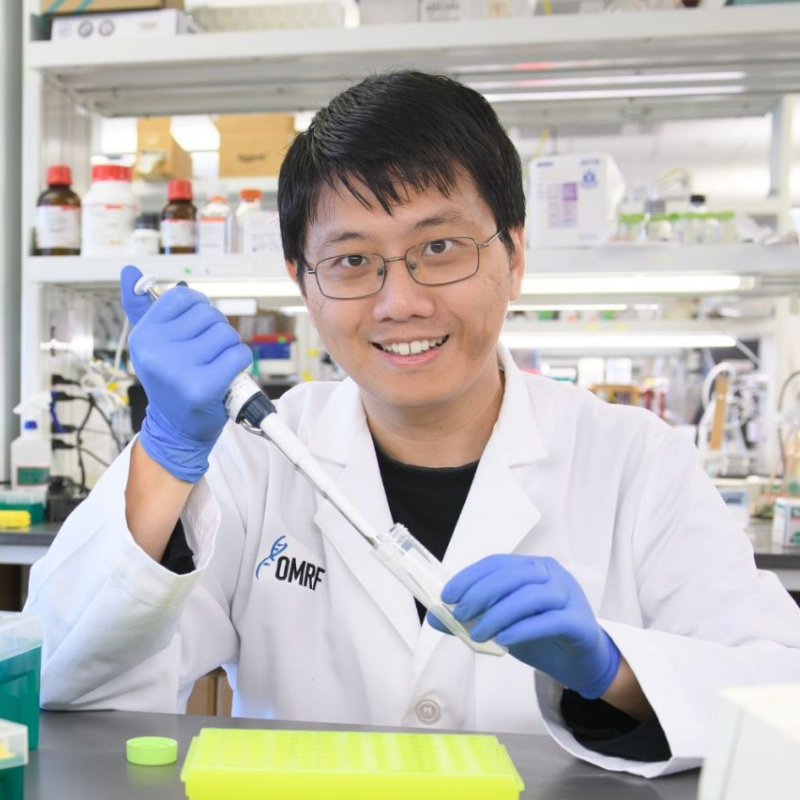
Dr. Pengchun Yu studies how to encourage the healthy growth of lymphatic vessels without allowing cancer to spread. In a recent study, he focused on preventing lymphedema – painful swelling caused by lymphatic blockage – following breast cancer treatment.
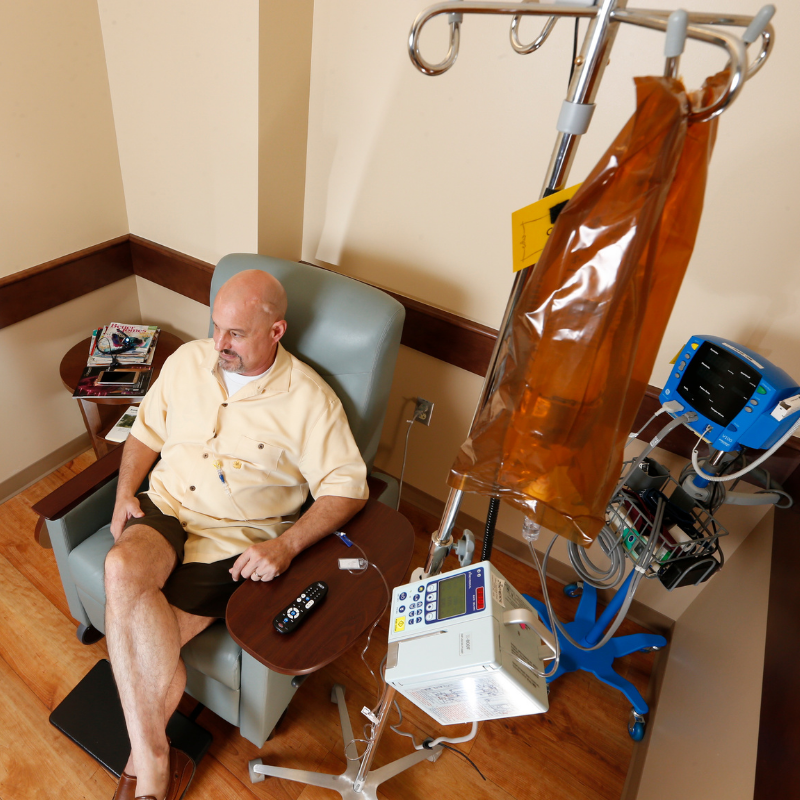
OKN-007 is a potential brain cancer drug discovered by two OMRF scientists. This treatment is currently in Phase 2 clinical trials for treatment of DIPG, a rare form of the disease that primarily affects pediatric patients.
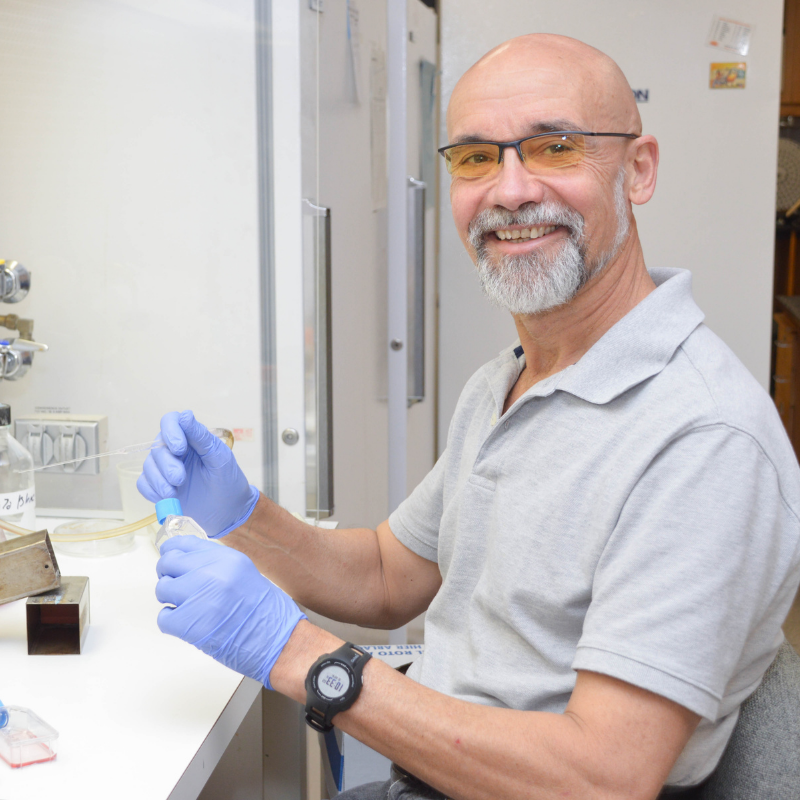
A single mistake in cell division, which occurs 300 billion times each day in humans, can cause cancer and other diseases. Dr. Gary Gorbsky studies this process in the hopes that regulating it could be the target for future treatments.
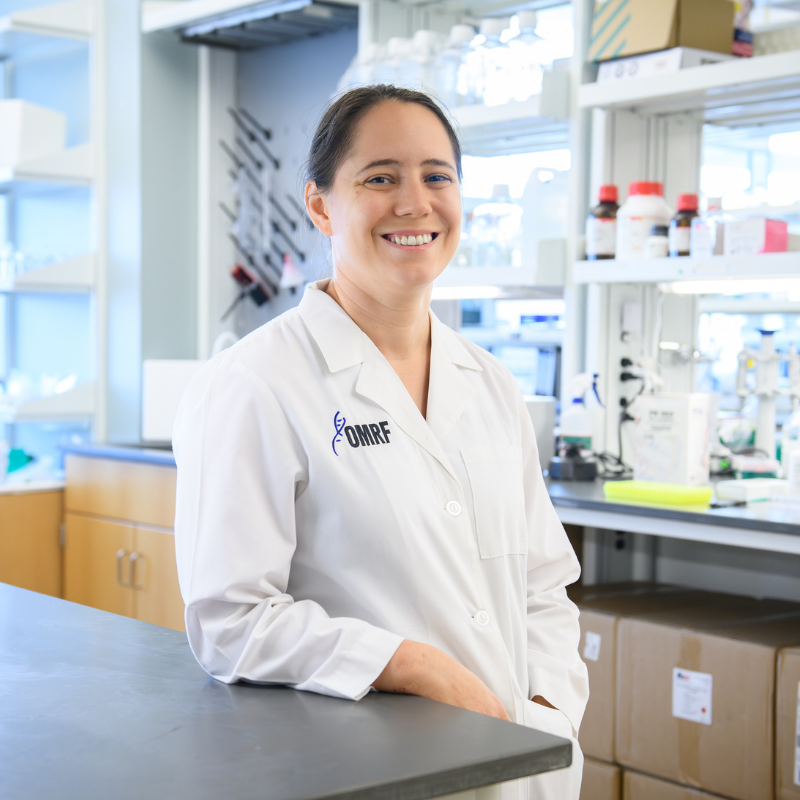
Dr. Elizabeth Finn studies how DNA – about three meters worth – folds, wraps and coils to fit inside every cell in our body. This organization determines how a cell functions, and mistakes in this process can lead to cancer.

Gary J. Gorbsky, Ph.D.
Professor and Program Chair
Dean Dawson, Ph.D.
Professor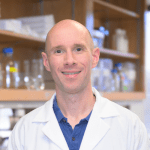
Rafal Donczew, Ph.D.
Assistant Professor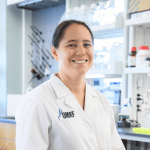
Elizabeth Finn, Ph.D.
Assistant Professor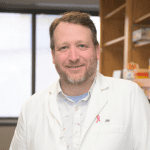
Jacob G. Kirkland, Ph.D.
Assistant Professor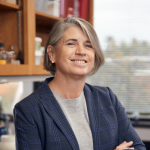
Susannah Rankin, Ph.D.
Professor
OMRF’s three FDA-approved drugs were all developed from cardiovascular research. The most recent is Adakveo, the first-ever treatment for the pain crises caused by sickle cell disease. Ceprotin and Soliris also treat rare blood disorders.
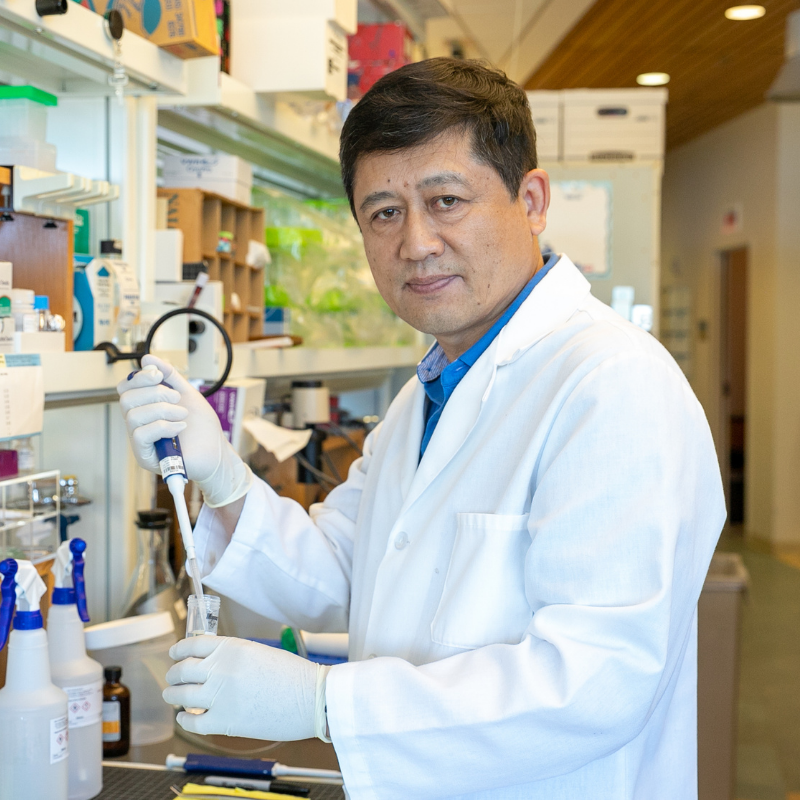
Dr. Lijun Xia studies sugars in the blood and lymph system that are important in preventing conditions like cancer and fatty liver disease. These sugars are also important in blood clotting and intestinal conditions like IBS.
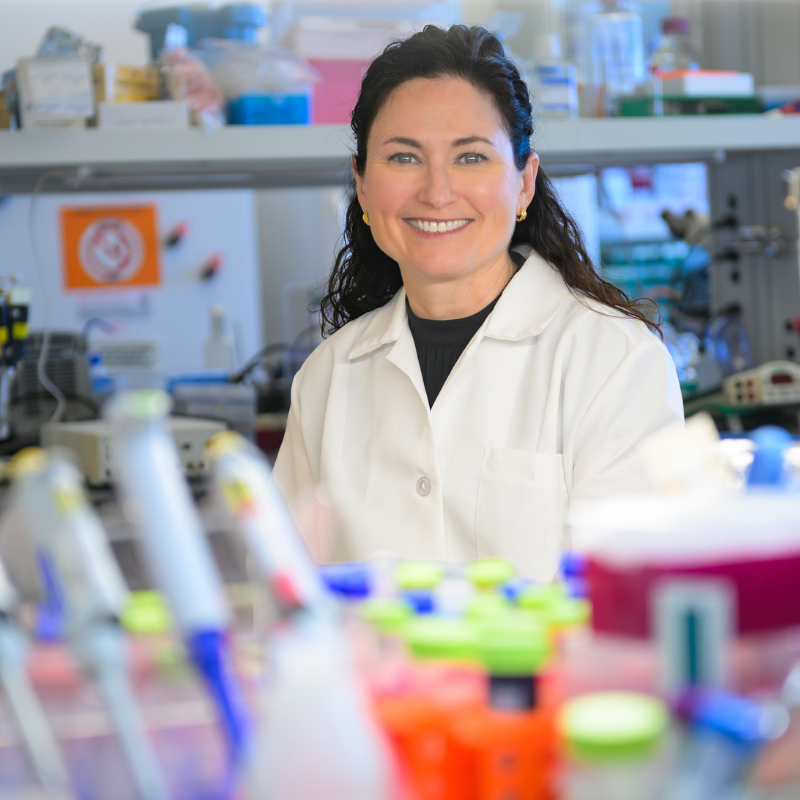
Blood vessel activity is key in retonopathy, a common condition in diabetic patients and premature babies. Dr. Courtney Griffin is working to find a treatment that prevents this vision loss while protecting healthy blood flow.
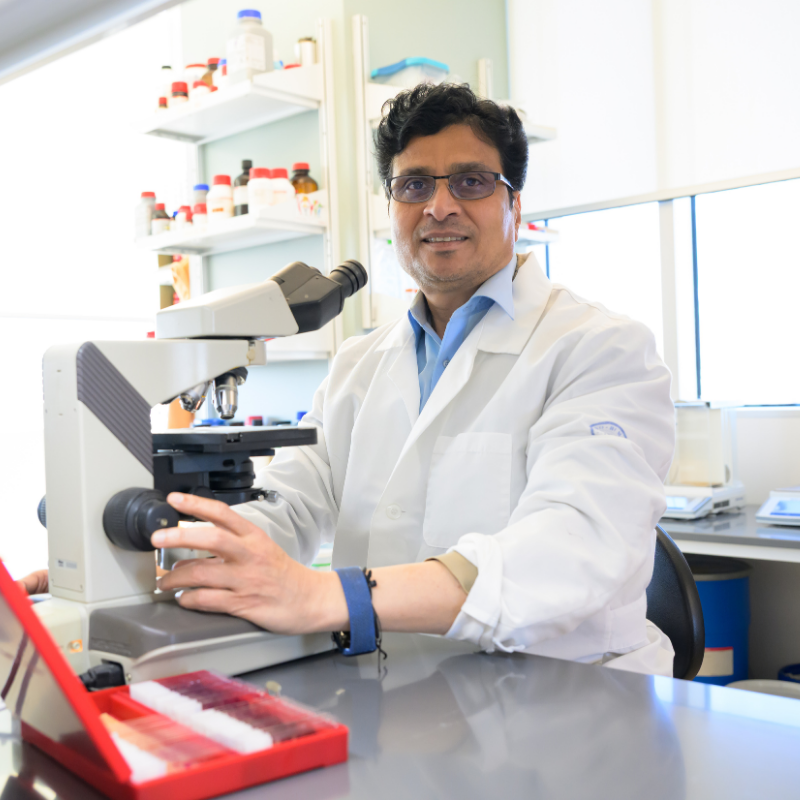
Dr. Jasim Ahamed studies heart failure, the leading cause of death in the U.S. His work to better understand blood clotting and scar tissue development could help prevent or slow the damage caused by heart disease.
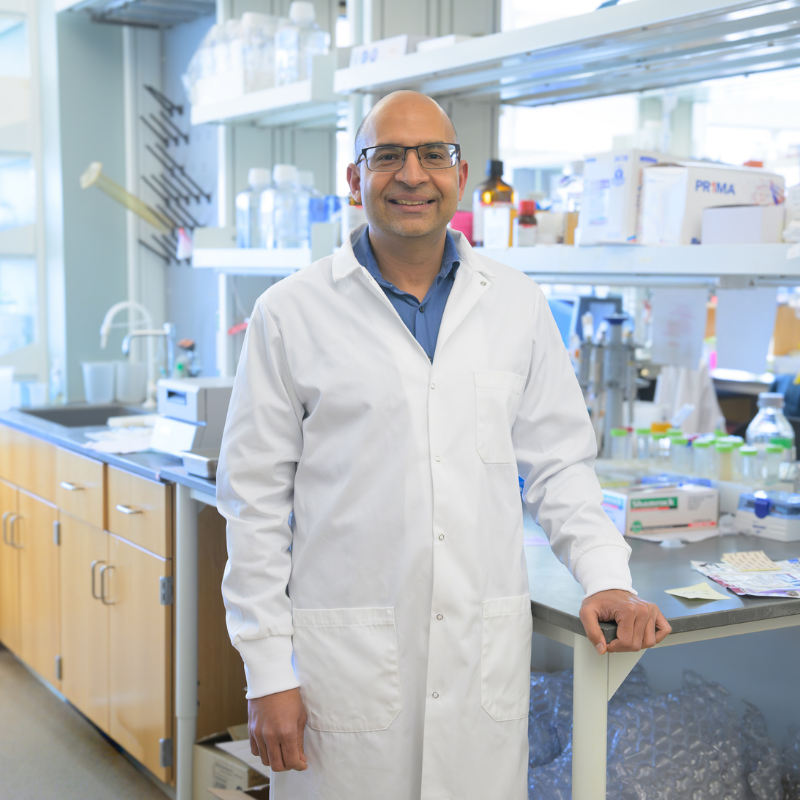
Heart valves are one focus of Dr. Sathish Srinivasan. His lab works to develop treatments for valves that are leaky due to birth defects like mitral valve prolapse or that stiffen with age or disease.
Courtney Griffin, Ph.D.
Vice President of Research and Professor
Lijun Xia, M.D., Ph.D.
Professor and Program Chair
Jasimuddin Ahamed, Ph.D.
Associate Professor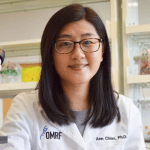
Ann Chiao, Ph.D.
Assistant ProfessorAudrey Cleuren, Ph.D.
Assistant Professor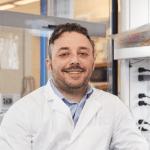
Brian Coon, Ph.D.
Assistant Professor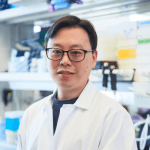
Chi Fung Lee, Ph.D.
Assistant Professor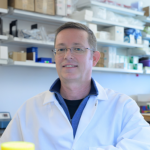
Lorin Olson, Ph.D.
Professor
Sathish Srinivasan, Ph.D.
Professor
Pengchun Yu, Ph.D.
Assistant Professor
Xin Geng, Ph.D.
Research Assistant Professor
Kamil Kobak, Ph.D.
Research Assistant Professor
Hae Ryong Kwon, Ph.D.
Research Assistant Professor
Robert Silasi, Ph.D.
Research Assistant Professor
Charles T. Esmon, Ph.D.
Distinguished Professor Emeritus
Fletcher B. Taylor, Jr., M.D.
Distinguished Professor Emeritus
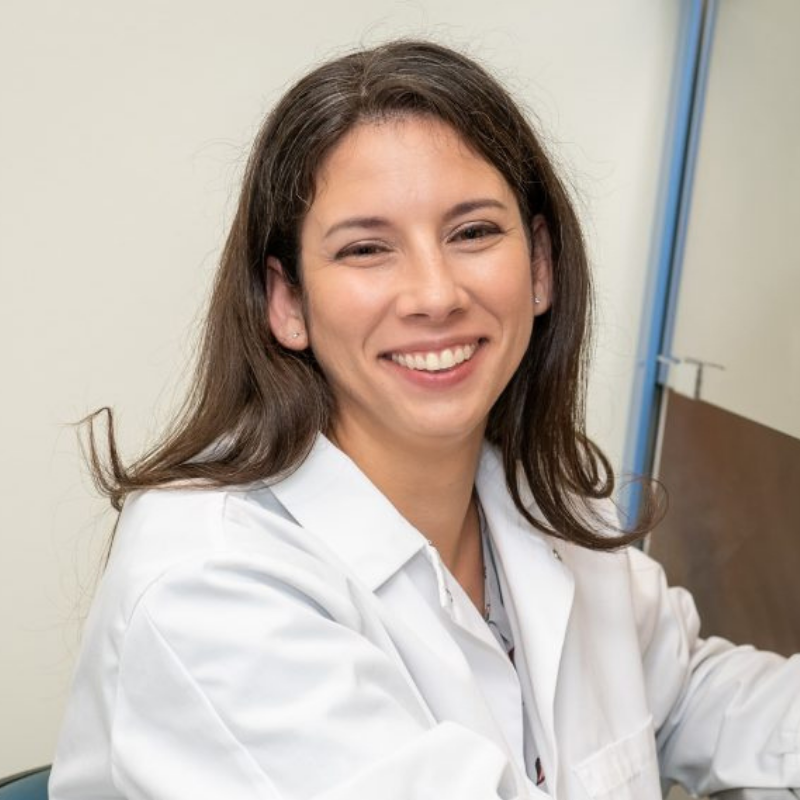
By studying the biological mechanism behind type 1 development, Dr. Jacquelyn Gorman works to understand how viruses and other factors can cause the genetic variants that may lead to the condition.
Dr. Courtney Griffin studies diabetic vision loss. Her lab has found a unique combination of factors that reduces sight over time – but by interrupting one of these factors, she believes it may be possible to slow and potentially reverse this devastating result.
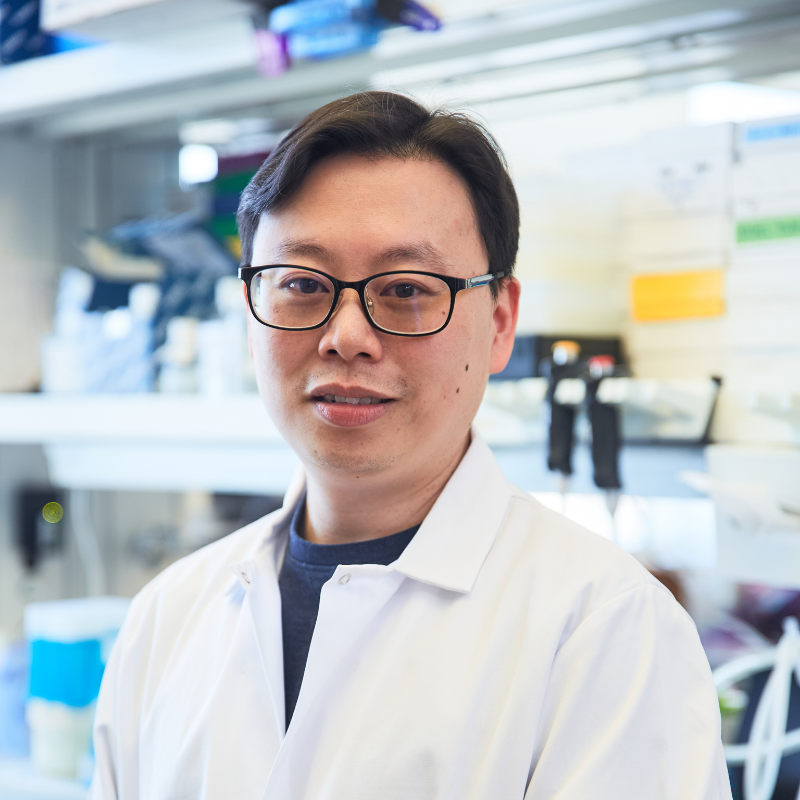
Dr. Chi Fung Lee uses diabetes models to understand what goes awry in diabetic hearts. Focusing on a molecule that regulates metabolic processes, Dr. Lee seeks a promising therapeutic target that could provide patients with improved options to slow or even prevent disease progression.
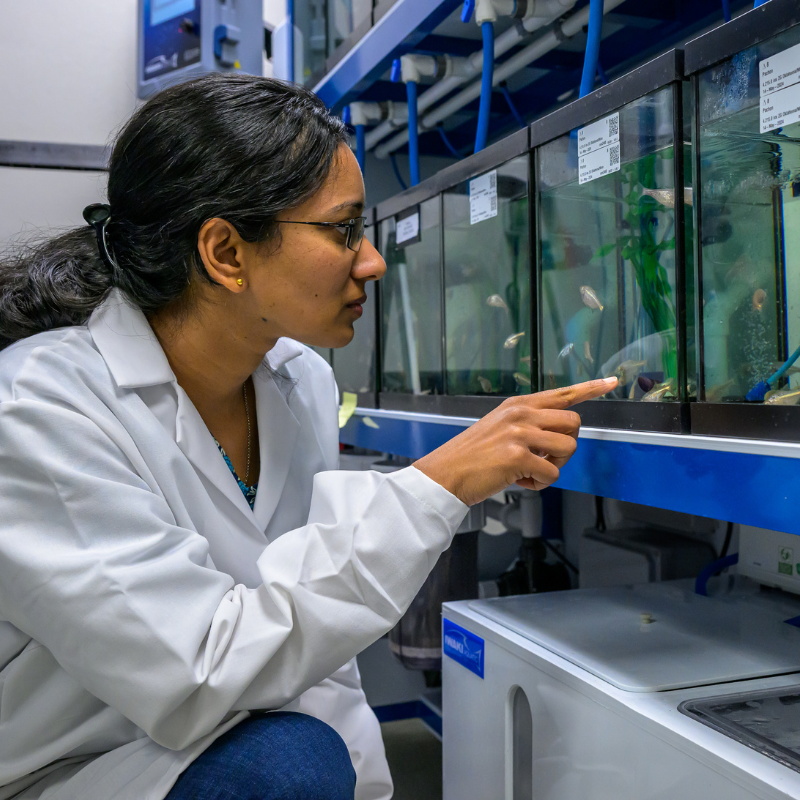
Dr. Jaya Krishnan studies models that have adapted to live healthy lives despite adverse metabolic environments. Applying her findings to disorders like type 1 diabetes may help pinpoint targets to improve human metabolic health.
Courtney Griffin, Ph.D.
Vice President of Research and Professor
Jacquelyn Gorman, Ph.D.
Assistant Professor
Kenneth M. Humphries, Ph.D.
Professor
Jaya Krishnan, Ph.D.
Assistant ProfessorChi Fung Lee, Ph.D.
Assistant Professor
Advance warning can mean all the difference for people with lupus. Research at OMRF laid the groundwork for aiSLE dx, a blood test that can help inform the risk of a lupus flare in the next 12 weeks.
Dr. Jaquelyn Gorman’s recent work examines a gene that normally helps your body detect viruses, but can become overly sensitive and instead trigger an attack on healthy cells, leading to lupus or other autoimmune diseases.
Dr. Judith James, spearheads OMRF’s lupus research and care. Among contributions to countless studies, she led the first-ever lupus prevention trial, and continues working toward early detection, prevention and better treatment options.
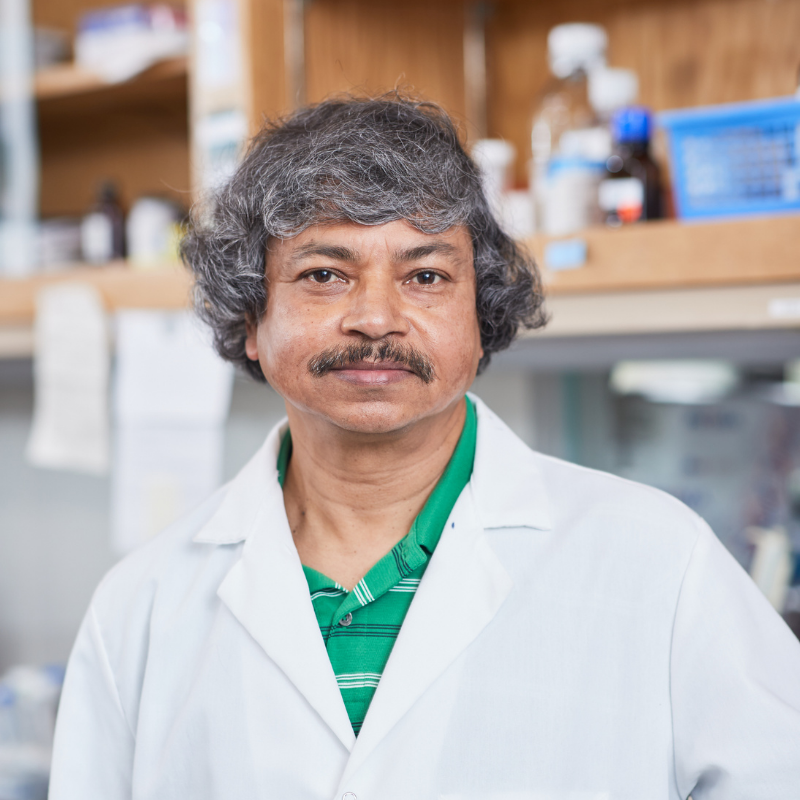
The genetic changes linked to lupus are the focus of Dr. Swapan Nath, who analyzes large genetic datasets to identify bits of DNA that may be associated with lupus.
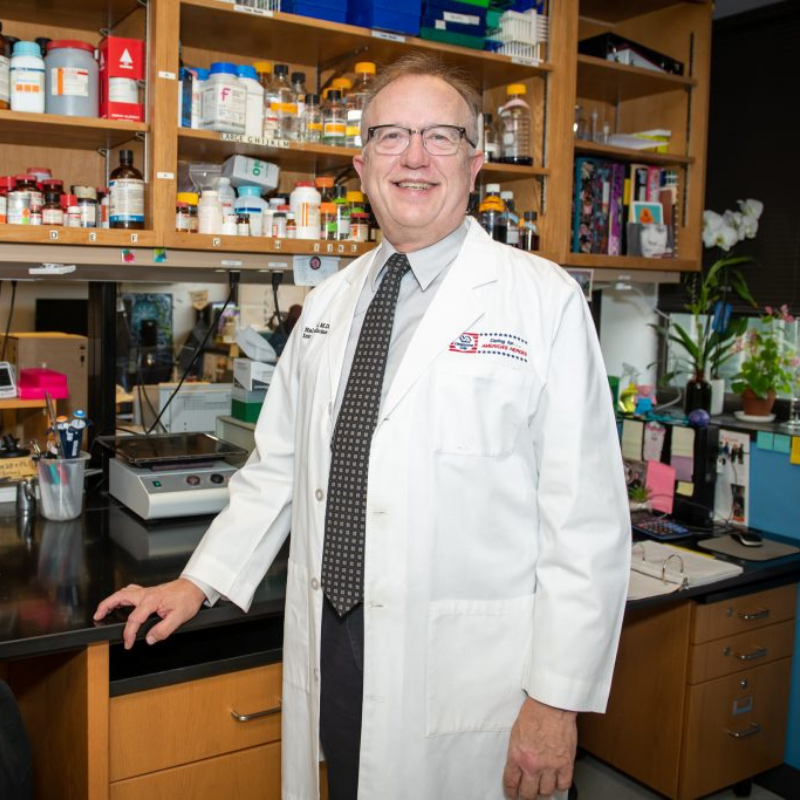
With a goal of better understanding the gender gap in lupus, Dr. Hal Scofield is a pioneer in establishing the role of the X chromosome in autoimmune diseases. His work also sheds light on diseases like Sjogren’s disease, rheumatoid arthritis and multiple sclerosis.
Judith James, M.D., Ph.D.
OMRF Executive Vice President & Chief Medical Officer
Patrick M. Gaffney, M.D.
Professor and Program Chair
Umesh Deshmukh, Ph.D.
ProfessorJacquelyn Gorman, Ph.D.
Assistant Professor
Joel Guthridge, Ph.D.
Associate Professor
Rufei Lu, M.D., Ph.D.
Assistant Professor
Joan T. Merrill, M.D.
Professor
Swapan K. Nath, Ph.D.
ProfessorRobert H. “Hal” Scofield, M.D.
ProfessorCristina Arriens, M.D., MSCS
Clinical Associate Professor
Amanda Moyer, M.D.
Clinical Assistant Professor
Melissa E. Munroe, M.D., Ph.D.
Research Associate Professor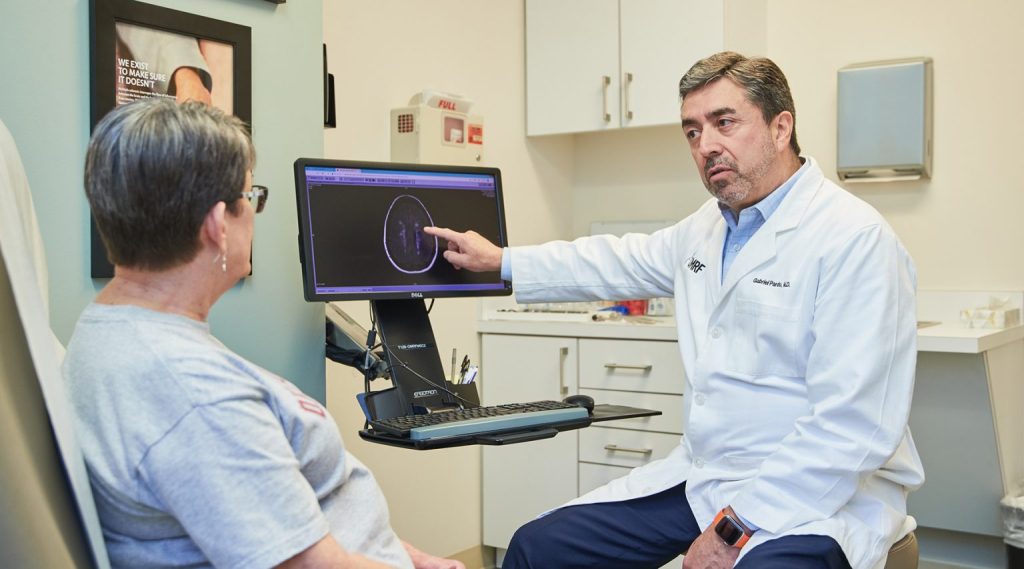
Multiple sclerosis research at OMRF follows a bench-to-bedside-and-back approach. The latest lab discoveries inform treatment protocols, and active research participation from patients in turn provides invaluable data to scientists outside the clinic.
The OMRF Multiple Sclerosis Center of Excellence has 6,000 patient visits per year.
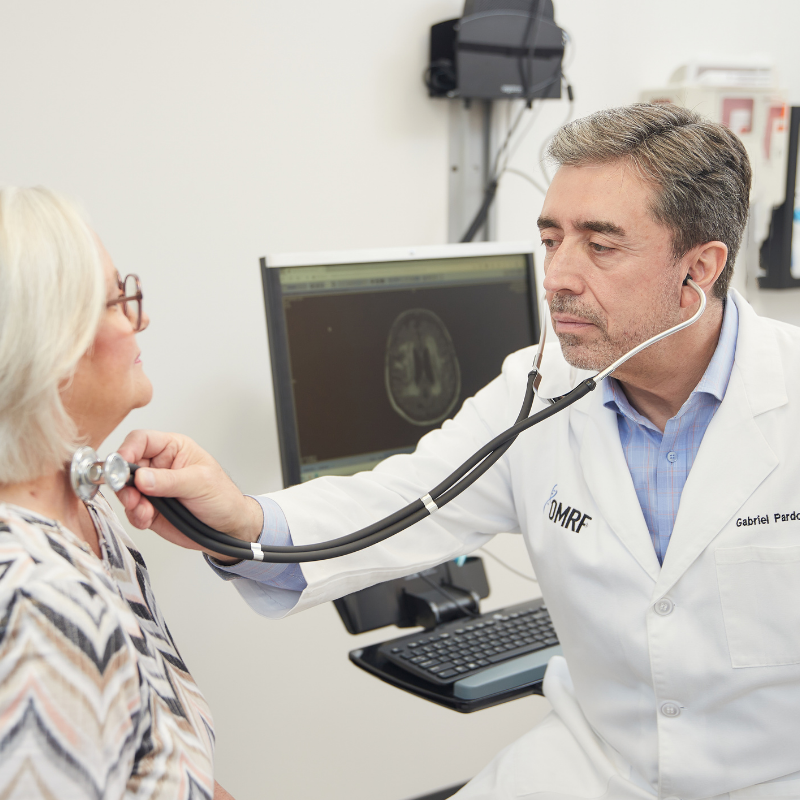
Dr. Gabriel Pardo, the founding director of the MS Center, treats patients with the ultimate goal of slowing or stopping progression of MS by better understanding the visual system, cognition, motor issues, balance and ambulation his patients face.
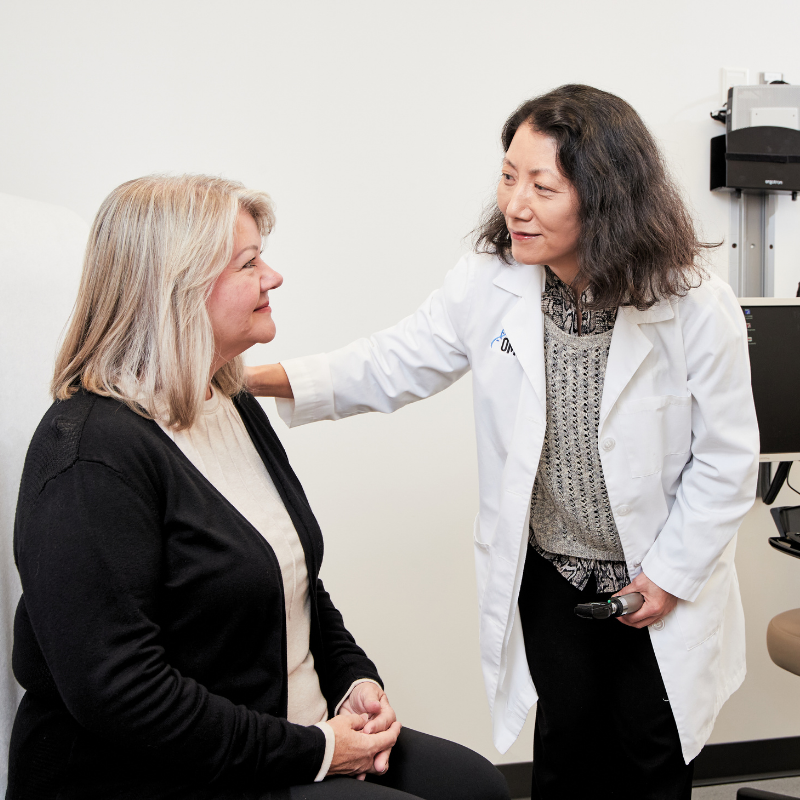
With a focus on experimental drugs, Dr. Yang Mao-Draayer bridges the clinic and lab. As a physician-scientist, her work focuses on observing a person’s unique disease to predict their ideal treatment.
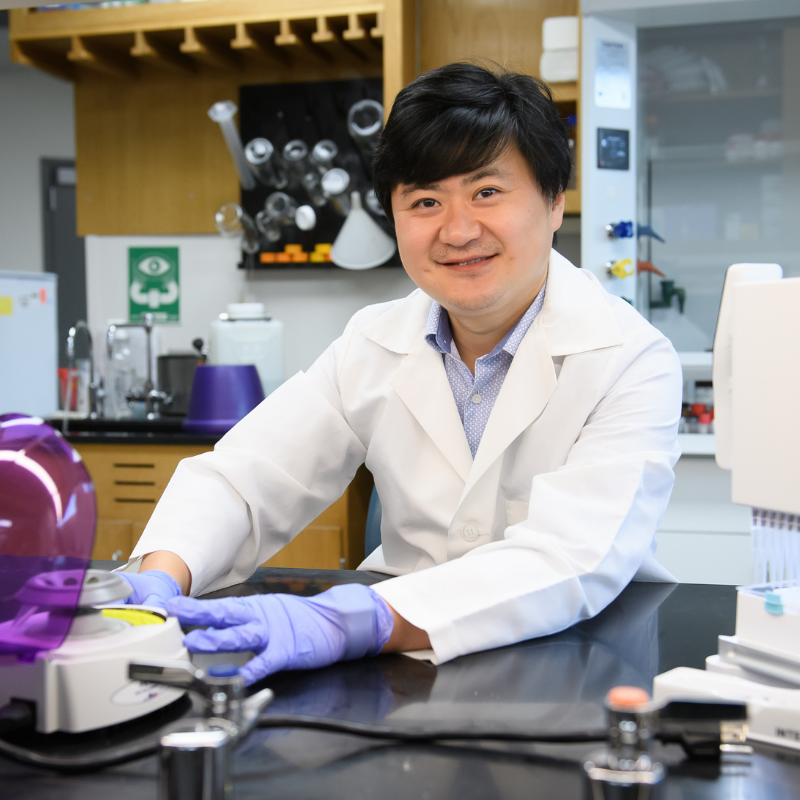
With a background in neuropathology, Dr. Rufei Lu uses machine learning and other modern techniques to find better tests and treatment plans for autoimmune diseases and the brain damage they cause.
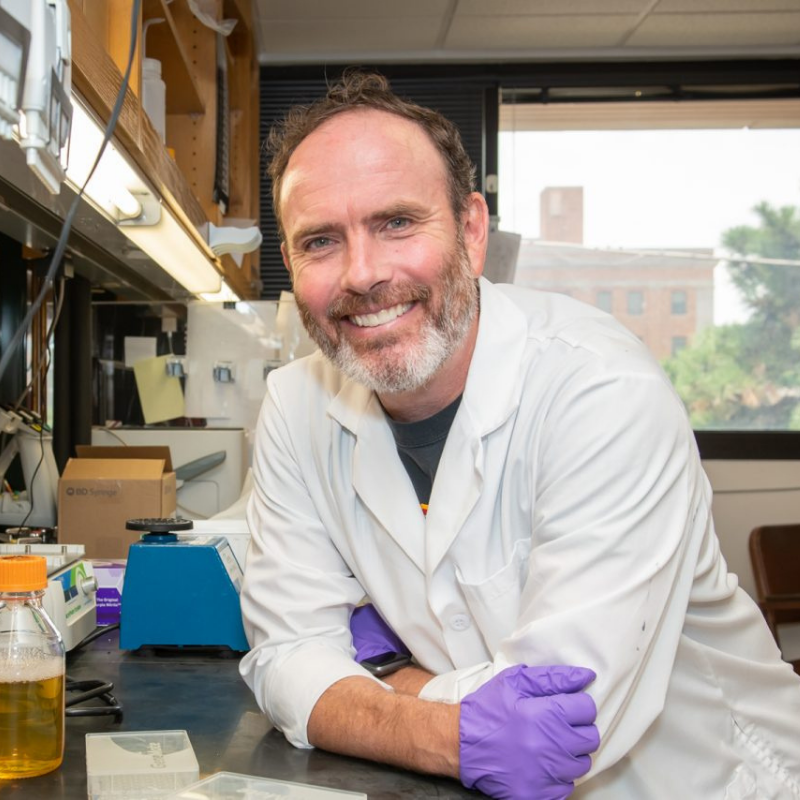
Dr. Bob Axtell works to understand why therapies that improve other autoimmune diseases – like rheumatoid arthritis and lupus – often harm MS patients.
Robert Axtell, Ph.D.
Associate ProfessorJacquelyn Gorman, Ph.D.
Assistant Professor
Yang Mao-Draayer, M.D., Ph.D.
Professor
Gabriel Pardo, M.D.
Professor
Scott M. Plafker, Ph.D., R.Ph.
Professor