Adam’s Journal
Dr. Scofield and I received lots of great questions when we visited the Kiwanis Club of Downtown Oklahoma City a few weeks ago. We used one last week, and here’s another interesting one:
Covid vaccinations always seem to be controversial. Have any studies been conducted regarding the effectiveness of these shots?
Dr. Scofield Prescribes
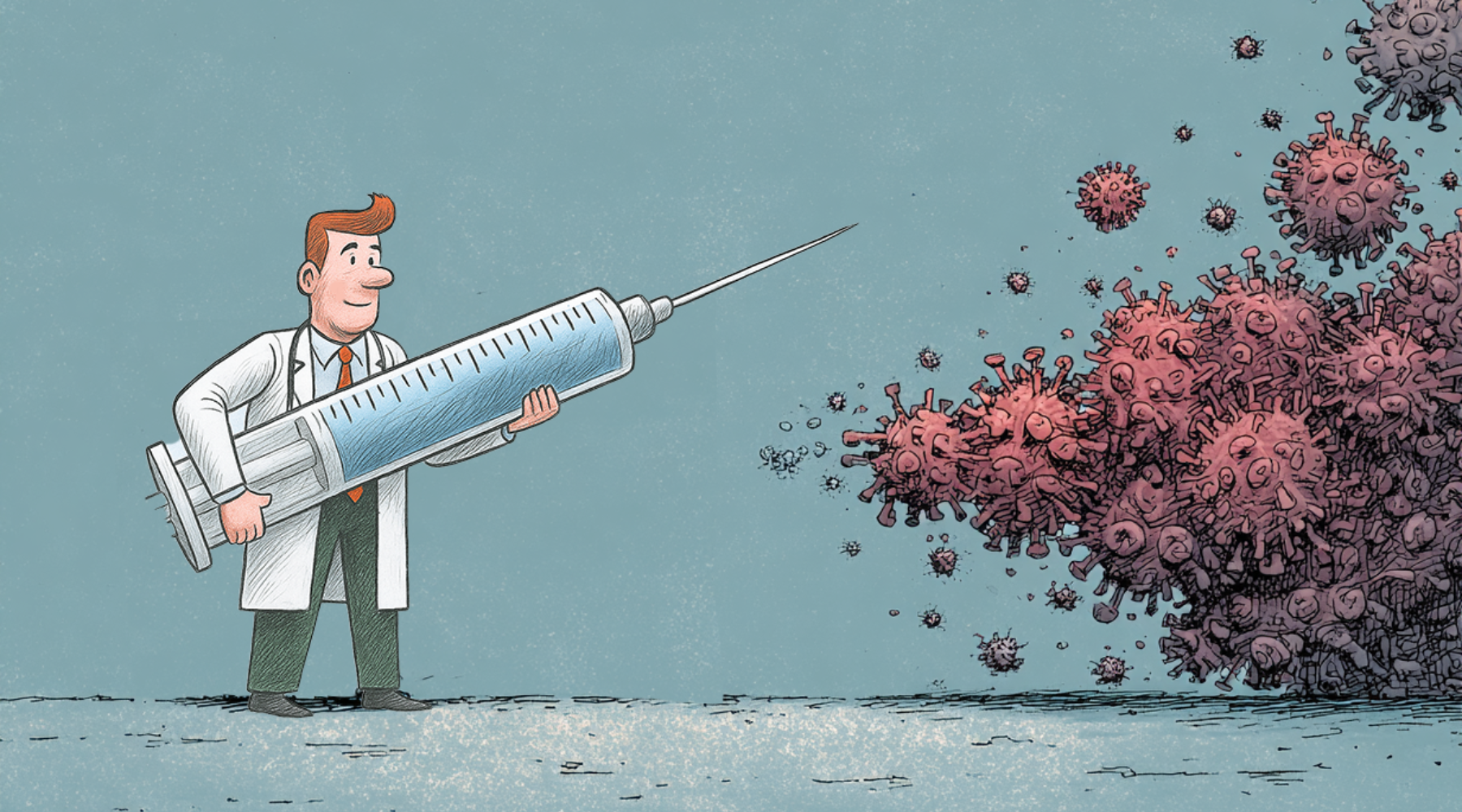
Scientists have conducted hundreds of studies tracking the efficacy of Covid vaccines. That research has yielded an overwhelming body of evidence pointing to a single conclusion: The shots are effective.
The greatest protection the shots offer is against serious illness and death. So as not to overwhelm you with numbers, I will cite just a few of these studies.
As we have learned, the vaccines are most effective in the months immediately after they are administered. For example, with the 2023-24 vaccine, in the first two months after receiving shots, all populations showed major reductions in critical illness when compared to those who weren’t vaccinated: Vaccination reduced deaths and admissions to intensive care units by 70%, hospitalizations by 50%, and visits to urgent care and emergency departments also by 50%.
That protection diminishes over time, but it doesn’t vanish. For that same vaccine, in the 10 months after vaccinations, the shots cut the chances of ICU admission and death by 50% and hospitalization by 30%. The shots also reduced the chances that people who did get infected went on to develop long Covid.
In total, that year’s vaccines averted 107,000 hospitalizations and nearly 7,000 deaths in the U.S.
That’s a snapshot from a single year, but it’s quite representative. When scientists conducted a meta-analysis – essentially, a study of all the studies – they found that when patients who’ve never been vaccinated become infected with Covid, they’re about 2 ½ times more likely to die than patients who’ve received shots.
A host of other studies have underscored that the vaccines reduce death and hospitalizations across all populations, from the very young to the very old. In some circumstances, that reduction has been as high as 98%.
The vaccines have also proven effective – though not as effective – at preventing Covid infection. For instance, statistics showed that people who received shots were 54% less likely to become infected during the fall and early winter of 2023-24.
With the increasing number of variants that circulate each year, it makes sense that vaccination will not offer complete protection against infection. Yet, as with the flu shots that many of us receive each year, the bigger goal than preventing infection is to ensure that an infection doesn’t lead to hospitalization or death.
Although some have attempted to sow doubts about the safety of the vaccines, that’s a red herring. The risk of myocarditis – inflammation of the heart lining that occurs rarely following shots – is actually many times higher following Covid infection than after Covid vaccination. A separate study determined that the risk of hospitalization or death for those who developed myocarditis following Covid infection was 11 times higher if the individual hadn’t been vaccinated.
This fall’s new formulation of the Covid vaccine appears to have the same degree of protection against the newest strains of the virus that previous vaccines offered for older strains. And it’s important to get that booster, because any vaccine you’ve previously received loses effectiveness over time, plus only the current shot is targeted against new strains of the virus.
In short, there is no controversy. Covid vaccines are effective and safe. Everyone who can should get vaccinated, especially older people and those with health conditions that leave them prone to serious complications from infection.
Dr. Hal Scofield is a physician-scientist at the Oklahoma Medical Research Foundation, and he also serves as Associate Chief of Staff for Research at the Oklahoma City VA Medical Center. Adam Cohen is OMRF’s senior vice president and general counsel. Send your health questions to contact@omrf.org.