


Center for Cellular Metabolism Research in Oklahoma
Altered cellular metabolism contributes to the pathogenesis of many common diseases, such as cardiovascular disease, cancer, diabetes, and autoimmune disorders, which are prevalent in Oklahoma. This Center for Cellular Metabolism Research in Oklahoma (CMRO) Phase I COBRE is established to unify OMRF’s metabolism-related resources and expertise to support junior investigators and to foster more cellular metabolism research and multidisciplinary scientific interactions overall in Oklahoma.
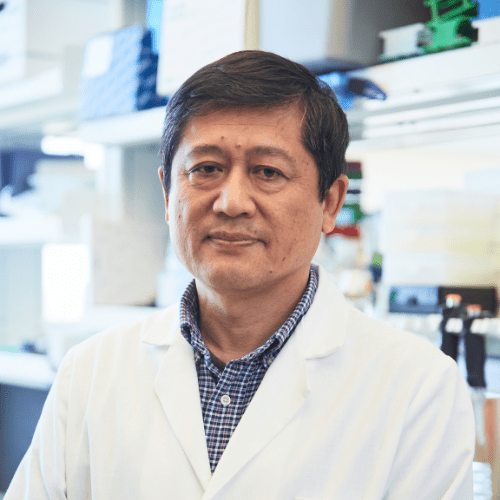
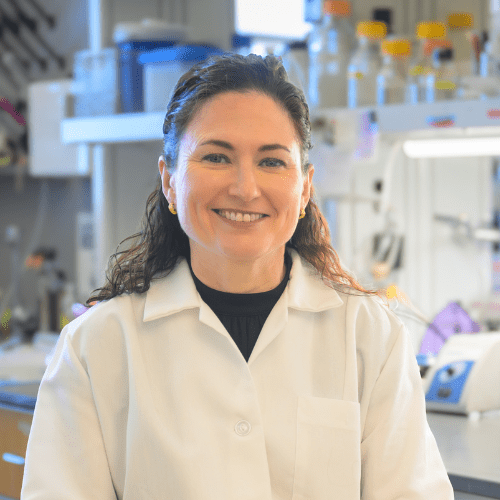
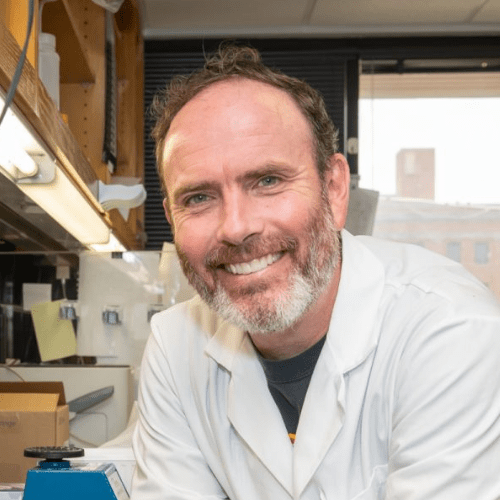
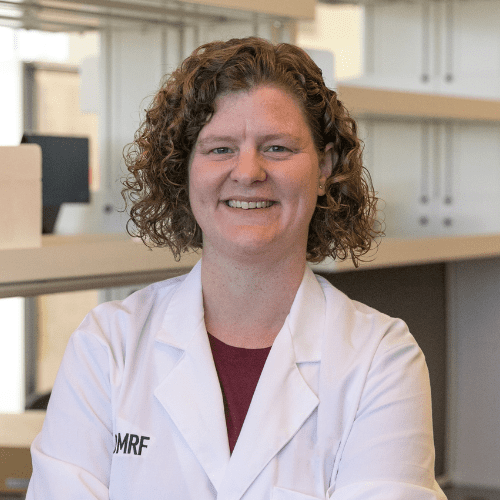
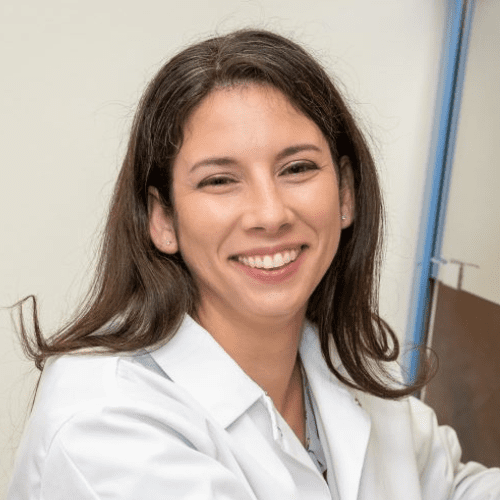
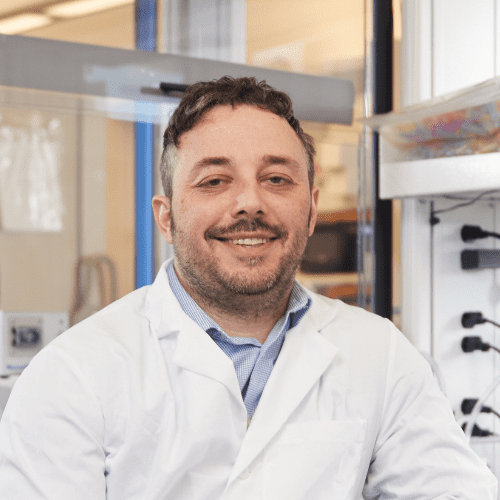
The CMRO will provide an exciting opportunity to unify these Project Leaders and to support the growth of their independent careers toward R01-type funding. The leadership team of the COBRE has established records of multidisciplinary research and mentoring experience, as well as expertise and interest in cellular metabolism research.
Our Project Leaders will work synergistically with each other by regularly sharing their research findings, technological advice, and unique model systems. This COBRE centralizes new and existing equipment to support the Project Leaders’ research and will leverage expertise from multidisciplinary mentoring teams across three OMRF Research Programs that are committed to their success.
We aim to develop a critical mass of investigators who can secure external funding to support their research while creating a new, exciting, multidisciplinary and collaborative environment for sustained competitive research on cellular metabolism in Oklahoma.
These goals will be accomplished through the following Specific Aims:
- Aim 1: Support five promising young Project Leaders to scientific independence through incorporation of cellular metabolism research in their labs.
- Aim 2: Promote novel multidisciplinary research focusing on cellular metabolism through mentoring the junior Project Leaders from three different OMRF Research Programs.
- Aim 3: Integrate existing and new resources through Core facilities that support cellular metabolism research.
- Aim 4: Promote an environment that supports the success and development of an independent, sustainable center

Administrative Core
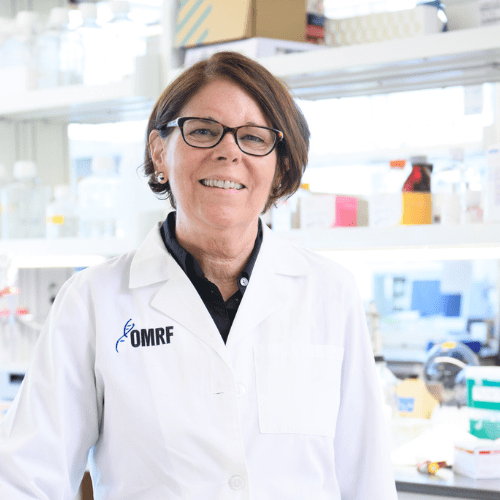
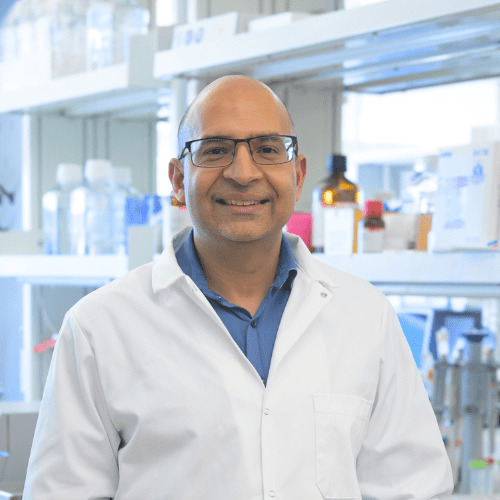
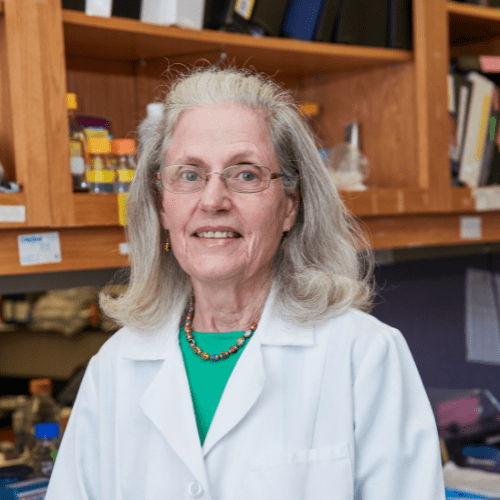
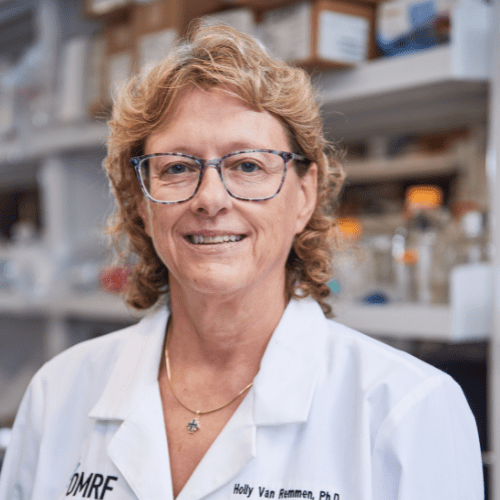
Leadership and Mentoring Team
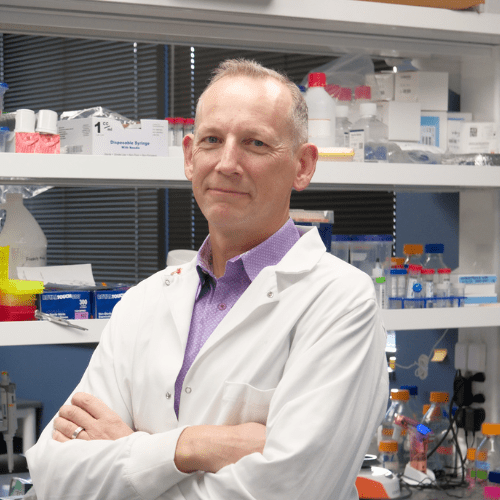
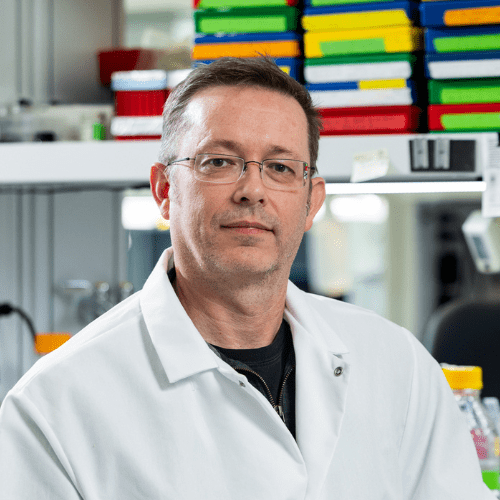
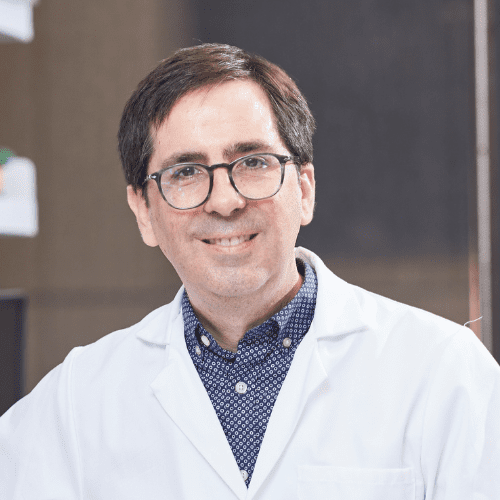
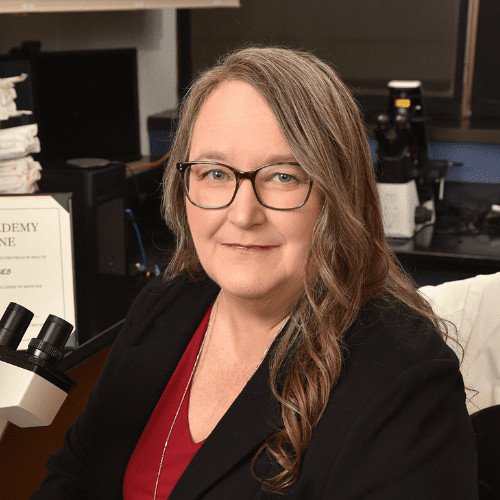
Internal Advisory Committee
The Internal Advisory Committee (IAC) oversees the mentoring and progress of the junior Project Leaders, selects and monitors Pilot Projects, and oversees the management and utilization of the scientific Cores. It will interface with the EAC at its annual visits and by conference call or email as needed. Its members include:
Courtney Griffin, Ph.D.
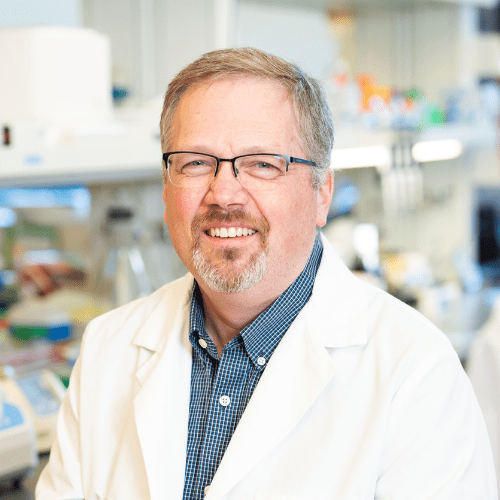
José Alberola-Ila, M.D., Ph.D.
External Advisory Committee
The External Advisory Committee (EAC) consists of five internationally recognized scientists with expertise in cellular metabolism, cardiovascular biology, cancer biology, and immunology. Most importantly, they are senior investigators who look at science broadly and are committed to mentoring.
The EAC will meet biannually and provide opportunities for interactions with and evaluation of COBRE participants, including the research project leaders, Core Directors and mentors.
Philipp Scherer, Ph.D.
Daniel Promislow, Ph.D.
Gwendalyn Randolph, Ph.D.
Laurence Morel, Ph.D.
Logistical Support
Ms. Mia Pederson-Rambo provides administrative support, such as arranging meetings and seminars, organizing the solicitations for and reviews of proposals for Pilot Projects, managing the COBRE budget, preparing the annual reports to NIGMS, facilitating grant management and compliance issues, and assisting COBRE investigators with reporting and regulatory requirements as they evolve.
Mr. Todd Walker provides IT support for this CMRO. He maintains systems ranging from instrument-controlling computers that gather data (Windows and Linux operating systems), local file servers in the OMRF facility’s network, and cloud services such as Dropbox, which are also used for file transfers by the scientists doing the research. He sets up group video conferences using Zoom, WebEx, Skype and other videoconferencing software across multiple operating systems. He also maintains and updates the COBRE website.
Project Leaders
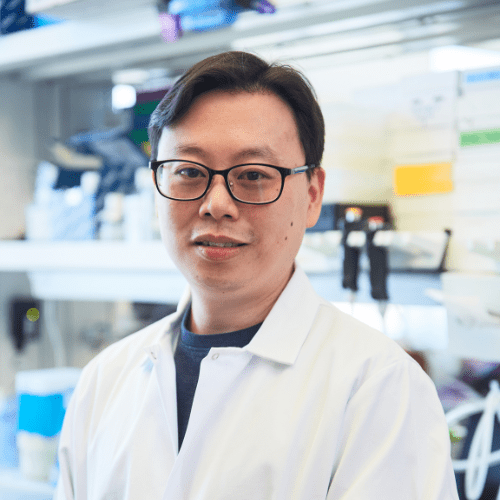

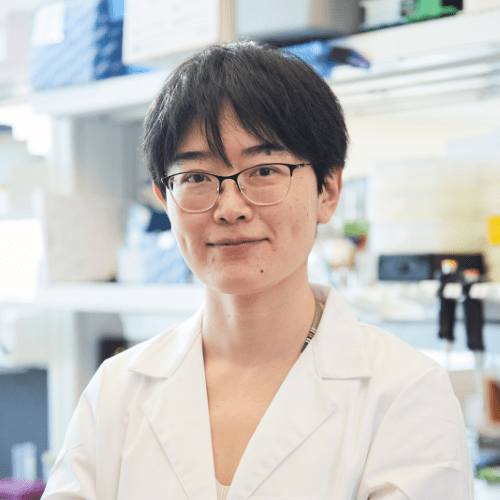
Pilot Projects
The CMRO will screen for talent suitable to fill Project Leader slots as they open through the Pilot Project program. It will provide early-stage support for new cellular metabolism-related projects so that data can be generated for future grant applications.
The CMRO will fund one project per year and will provide the Pilot Project Leaders with the advantages of mentoring and interactions that are available to the regular Project Leaders.
2023 David C. Hughes, Ph.D. Project: Investigating a novel role for UBR5 in skeletal muscle bioenergetics and metabolism
Flow Cytometry Core
OMRF’s Flow Cytometry Core provides access to state-of-the-art flow cytometry to the Project Leaders in this CMRO COBRE.
This includes not only access to the physical instruments required, but also advice on the possibilities and limitations of the technology and help designing and interpreting experiments that use these approaches.
Use of flow cytometric approaches to analyze cellular metabolism changes is a fast-changing and relatively novel area, and the Core facility will expand its current expertise as necessary to provide our investigators with access to any new tools or technical approaches required to advance their research programs.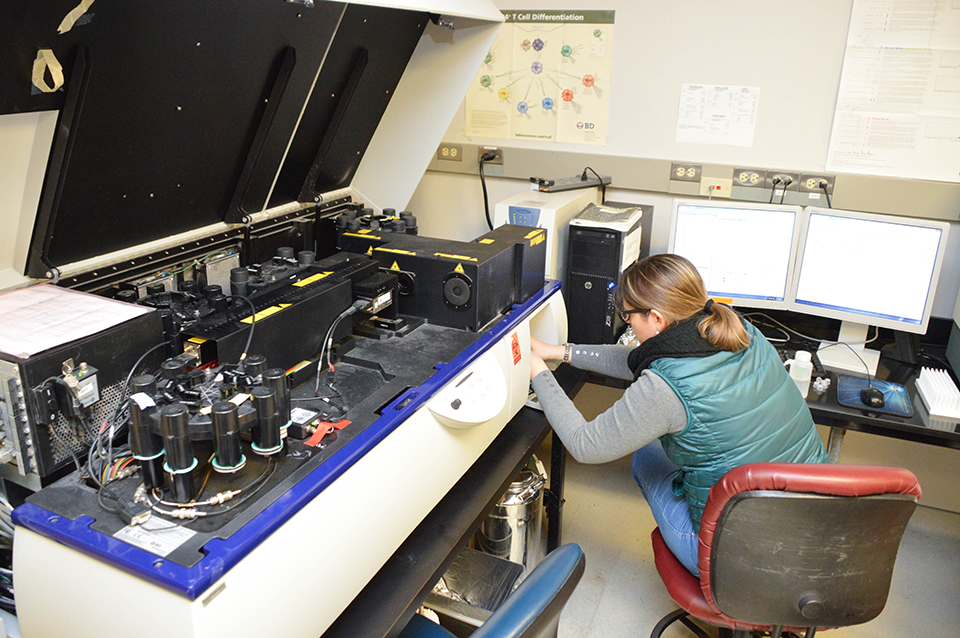
Facility overview
- Our Flow Cytometry Core is housed in a custom-designed and carefully temperature-controlled, card-access-restricted, two-room suite in a renovated wing of OMRF.
- The special air conditioning is quiet and does not generate strong air currents around the instruments. All power, water and computer connections are installed in optimal positions.
- All of our instruments are well maintained and covered by service contracts from the manufacturers. OMRF covers the service contract expenses for the Flow Cytometry Core as part of their commitment to the long-term viability of this service.
- We have two sorters (Beckman-Coulter MoFlo XDP and Becton Dickinson FACSAria Illu) and four analyzers ( two 5-laser Cytek Aurora spectral cytometers, and an LSRII and FACSCelesta from Becton Dickinson).
- Our 3-laser Beckman Coulter Moflo XDP is capable of detecting 13 parameters. It is routinely used for 2-way and 4-way sorts at speeds of up to 30,000 cells/second as well as single-cell deposition sorts.
- The 4-laser BD Biosciences FACSAria IIIu utilizes 488 nm, 633 nm, 561 nm and 407 nm air-cooled lasers with advanced optics to detect up to 18 independent signals.
- Our two 5-laser (355 nm, 405 nm, 488 nm, 561 nm, and 640 nm) Cytek Aurora spectral flow cytometers are capable of detecting 34 fluorochromes simultaneously, and their UV laser will facilitate calcium flux measurements.
- The BD LSRII3 analyzer is equipped with 405 nm, 488 nm, 561 nm and 633 nm lasers. This digital instrument is a good companion to the FACSAria and is capable of detecting up to 19 parameters.
- Our 3-laser BD Celesta, purchased in 2016 is capable of detecting up to 16 parameters.
- We can help user with panel design, and analysis of the data.
The Facility also provides access to analysis workstations loaded with state-of-the-art software (FACSDiva and FlowJo, Cytek SpectroFlow), and it performs regular backups of the data.
Staff and Training
Core Director
Jose Alberola-Ila, M.D., Ph.D., serves as Core Director for this COBRE. He has more than 25 years of experience in flow cytometry and has previously served as the Flow Cytometry Core Director for another OMRF COBRE. He will be available to the CMRO COBRE Project Leaders for consultation regarding experimental design, choice of fluorochromes, and data analysis.
Staff
There are two full-time technicians—each with more than 10 years of experience working in the OMRF Flow Cytometry Core—who run the cell sorters and maintain the instruments.
Jacob Bass has an undergraduate degree in physics, while Diana Hamilton, Ph.D., used advanced instrumentation in her dissertation studies in analytical chemistry. They attended the MoFlo training course at the Dako Cytomation training facility in Ft. Collins, Colorado, and BD Operator Courses in San Jose, California. Bass also attended the PhosphoFlow/Immune Monitoring Course at Stanford University, so he is familiar with using intracellular staining to assess activation of signal transduction pathways.
These skilled technicians conduct all cell sorting for users, perform routine maintenance and database archiving on the instruments, and provide guidance on staining, sorting, special applications and analysis. Having two operators who are trained on multiple instruments ensures that there is no downtime due to illness or vacations. These highly dedicated technicians often agree to work late or on weekends to help scientists in times of particular need. The services of both technicians will be available to COBRE investigators.
Training
OMRF’s Flow Cytometry technicians have extensive experience in training postdoctoral fellows, graduate students and technicians in the operation of the FACSCalibur, FACSCelesta, LSR II and Cytek Aurora. Training sessions span several hours of hands-on operation of the cytometers and are scheduled on demand. Additional informal training and troubleshooting sessions are easily available since all instruments are in the same location and the operators are always present. Unsupervised usage of the analyzers is authorized only after training has been completed.
Access and Charges
To permit equitable access to OMRF’s cell sorters, users are permitted to sign up no more than two weeks in advance using a web-based calendar. Most users have a primary affiliation at OMRF, but others from the University of Oklahoma also use our sorting facility from time to time.
Access to the analyzers is also through a web-based calendar. Time can be scheduled up to one month in advance.
Metabolic Phenotyping Core
The Metabolic Phenotyping Core centralizes existing metabolism-related resources, services, and training at OMRF to support the junior investigators in this Cellular Metabolism Research program.
The Core provides support to our current Project Leaders in four areas:
- Measurement of cellular respiration and mitochondrial function
- Isotopic metabolite tracer analyses
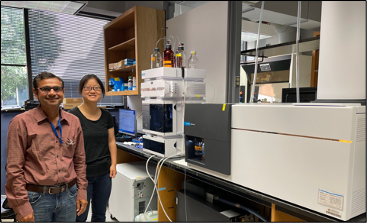
- Mass spectrometry metabolic profiling of polar molecules (TCA, amino acids, glycolytic intermediates, etc.) by LC-QTOF and GC/MS
- Customizable assays – bioavailability, drug metabolites, model systems
Overall, the Core enables our COBRE investigators to conduct comprehensive functional analyses of cellular metabolism to keep them on the leading edge of their respective fields. In the long run, the Core will help expand metabolism research capabilities throughout Oklahoma.
Staff and Expertise
Dr. Kenneth Humphries serves as the Director of the COBRE Metabolic Phenotyping Core and is a Professor in the Aging & Metabolism Research Program and. He provides administrative and scientific oversight of the Core. Dr. Humphries has long-standing interests and expertise in mitochondrial and free radical biology. He has analyzed mitochondrial function and ROS production in numerous tissue types and experimental models and has collaborated with multiple labs at OMRF and OUHSC over the past decade. He advises junior investigators of this COBRE in the proper design, implementation, and interpretation of metabolism experiments.
Dr. Benjamin Miller is Professor and Chair of the Aging & Metabolism Research Program at OMRF. He serves in leadership positions of various cores and centers. He has used stable isotopes to study metabolic turnover and flux and developed an independent training program of isotope research. Through collaboration with his peers, he has built connections with experts in isotope studies in the United States as well as in Europe.
Dr. Atul Pranay is an Associate Staff Scientist with multidisciplinary and diverse expertise in mass spectrometry (LC-MS/MS & GC/MS), targeted metabolic studies, and stable isotope metabolic flux analysis. He oversees the metabolic profiling studies using the Core’s LC/MS & GC/MS instruments and serves as the project coordinator. Dr. Pranay came to OMRF with experience in both industry and postdoctoral research carried out at the University of Tennessee Health Science Center. Dr. Pranay has extensive experience in analytical method development, sample preparation, experiment planning, biomarkers and bioavailability, and data analysis for metabolomics and tracer analysis studies. Dr. Pranay can assist investigators with many types of experimental questions whether their interest is metabolite analysis in cultured cells (media and homogenates), tissue homogenates (heart, skeletal muscle, brain, liver, etc.), or blood/sera.
Dr. Satoshi Matsuzaki is an Associate Staff Scientist with 20 years of research experience in mitochondrial biochemistry and molecular biology. He is an expert in mitochondrial enzymology and Seahorse XF metabolic analysis. He provides service and training for cell respiration and mitochondria functional analyses.
Dr. Jie Zhu is an Assistant Staff Scientist. She has developed expertise in conducting radiolabeled metabolic substrate flux analyses. She has finished the Agilent 1290 Infinity II-6546 UHPLC-qTOF instrument training courses and assists in sample preparation and analysis of stable-isotopic 13C-MFA LC-MS/MS experiments with Dr Pranay..
Equipment
All equipment in this core is centralized in the Aging & Metabolism Research Program and includes:
- Agilent Seahorse XFe24 and XFe96 Extracellular Flux Analyzers;
- Agilent BioTek Cytation 5 Cell Imaging Multi-Mode Reader
- Oroboros O2k high-resolution respirometry;
- Agilent 1290 Infinity II-6546 UHPLC-qTOF;
- Agilent 5977A GC-MS system;
- Agilent 7010B Triple Quadrupole GC/MS system;
- BioSpherix hypoxia system;
- Los Gatos Research LWIA-912 enhanced performance liquid water isotope analyzer;
Recent publications supported by the Core
Han F, Simeroth S, Zhu J, Gryniuk I, Pranay A, Chen W, Wang Y, Cai Y, Shen Z, Wang G, Griffin CT, Xia L, Yu P. Lymphatic endothelial mTORC1 instructs metabolic and developmental signaling during lymphangiogenesis. Dev Cell. 2025 May 2:S1534-5807(25)00250-3. PMID: 40339577.
Plafker KS, Georgescu C, Pezant N, Pranay A, Plafker SM. Sulforaphane acutely activates multiple starvation response pathways. Front Nutr. 2025 Jan 6;11:1485466. PMID: 39867556; PMCID: PMC11758633.
Harold KM, Matsuzaki S, Pranay A, Loveland BL, Batushansky A, Mendez Garcia MF, Eyster C, Stavrakis S, Chiao YA, Kinter M, Humphries KM. Loss of Cardiac PFKFB2 Drives Metabolic, Functional, and Electrophysiological Remodeling in the Heart. J Am Heart Assoc. 2024 Apr 2;13(7):e033676. Epub 2024 Mar 27. PMID: 38533937; PMCID: PMC11179765.
Contact

Wei Jing, Ph.D.
Cardiovascular Biology Research Program
Oklahoma Medical Research Foundation
825 NE 13th Street, Oklahoma City, Oklahoma