

Adam’s Journal
Here’s a question from a reader:
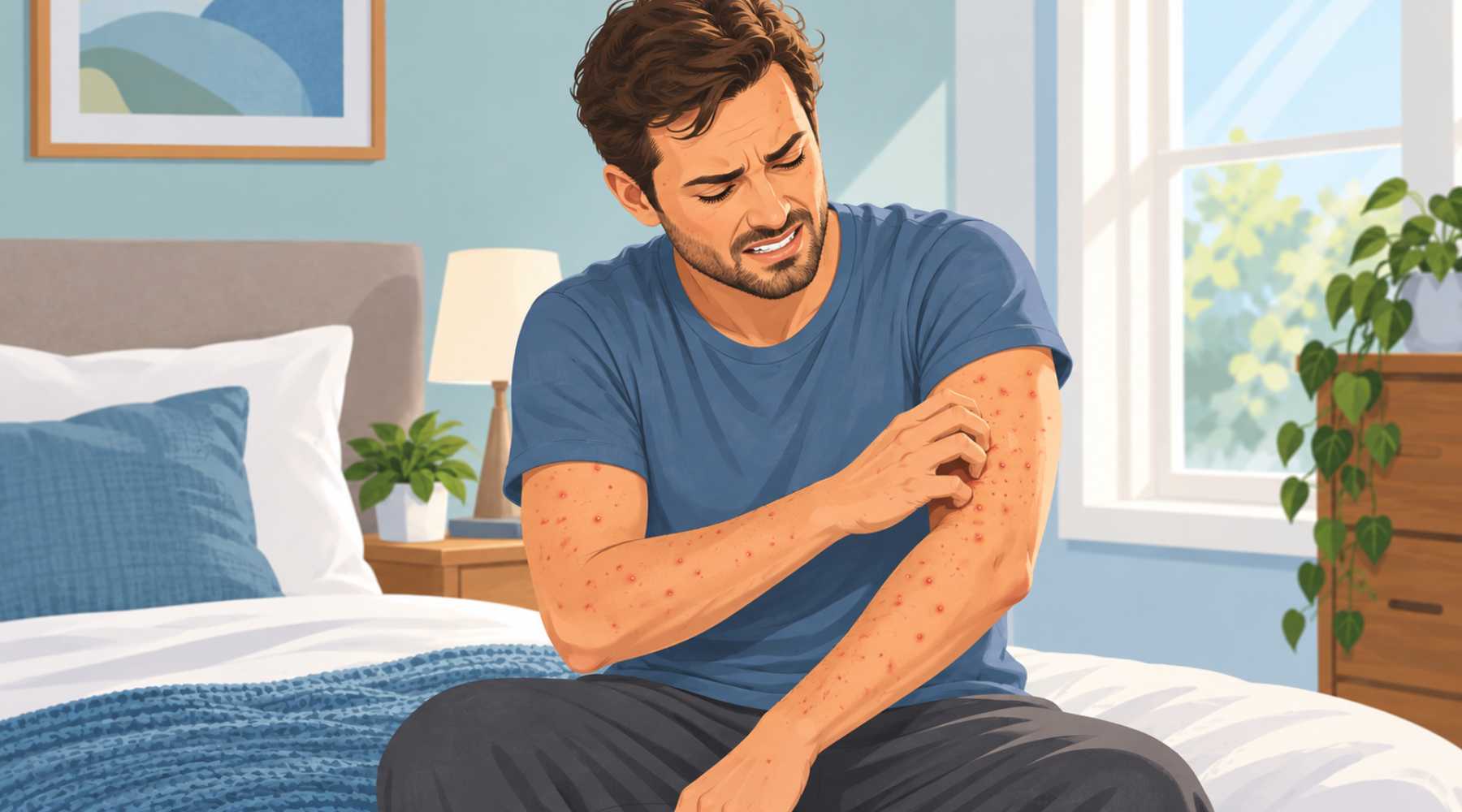
A friend is recovering from chickenpox. He’s 40, and though he was exposed to the illness many times as a child, he never became ill. At the time, his pediatrician assured his mother he’d probably just had a mild case.
Is it possible to have chickenpox so mild that you don’t get lifelong immunity? And with an adult case of chickenpox, is he more protected from getting shingles than those of us who had chickenpox as kids?
Lindsay Thomas
Dr. Scofield Prescribes
So, it sounds like two things could have happened here. The first is that the reader’s friend could have been exposed to chickenpox but, despite his pediatrician’s assumption to the contrary, never actually contracted it.
The virus (varicella-zoster virus, or VZV) that causes chickenpox is highly contagious. The Centers for Disease Control estimates that up to 90% of susceptible people who come in close contact with infected individuals contract the virus. That’s why, according to the CDC, more than 99% of Americans born before 1980 – which is prior to the time children began receiving the chickenpox vaccine – have been infected with VZV.
The second possibility is that the reader’s friend had an extremely mild case as a child and then became reinfected as an adult. While even a mild infection with VZV ordinarily produces lifelong immunity, the medical literature shows that reinfection, while rare in healthy individuals, is possible.
Still, when someone seems to get chickenpox twice, the most likely explanation is that they never had it the first time. The reader’s friend may simply have been exposed to VZV as a child but escaped infection. While chickenpox is extremely contagious, transmission isn’t 100%.
As for shingles, this painful condition occurs when VZV that remains in the body following chickenpox infection becomes reactivated. It’s plausible that a fresh infection at age 40 will leave the reader’s friend with robust immunity to shingles right now. So, his near-term risk of shingles is probably quite low.
However, studies show that immunity wanes over the decades. That’s why shingles vaccination is recommended for adults 50 and over.
Over time, any immunity the reader’s friend has acquired from this later-in-life chickenpox infection will ebb. As a result, like anyone else, he should strongly consider getting vaccinated once he turns 50.
–
Dr. Hal Scofield is a physician-scientist at the Oklahoma Medical Research Foundation, and he also serves as Associate Chief of Staff for Research at the Oklahoma City VA Medical Center. Adam Cohen is OMRF’s senior vice president and general counsel. Send your health questions to contact@omrf.org.