

Adam’s Journal
So, ticks. I know I asked you about them a few weeks ago. But no sooner had you finished the column about Lyme disease than I started seeing things about something called alpha-gal syndrome, which apparently causes allergies to red meat.
As much as thinking about ticks gives me the creeps, I want to know more about this head-scratching condition. What is it, and how worried should we be?
Dr. Scofield Prescribes
In the world of infectious diseases, alpha-gal syndrome is a new kid on the block. Discovered by scientists at the University of Virginia in 2007, the condition is a hypersensitivity to a sugar molecule called galactose-alpha-1,3-galactose. Or, for short, alpha-gal.
Most mammals have alpha-gal in their bodies. But humans and other primates do not.
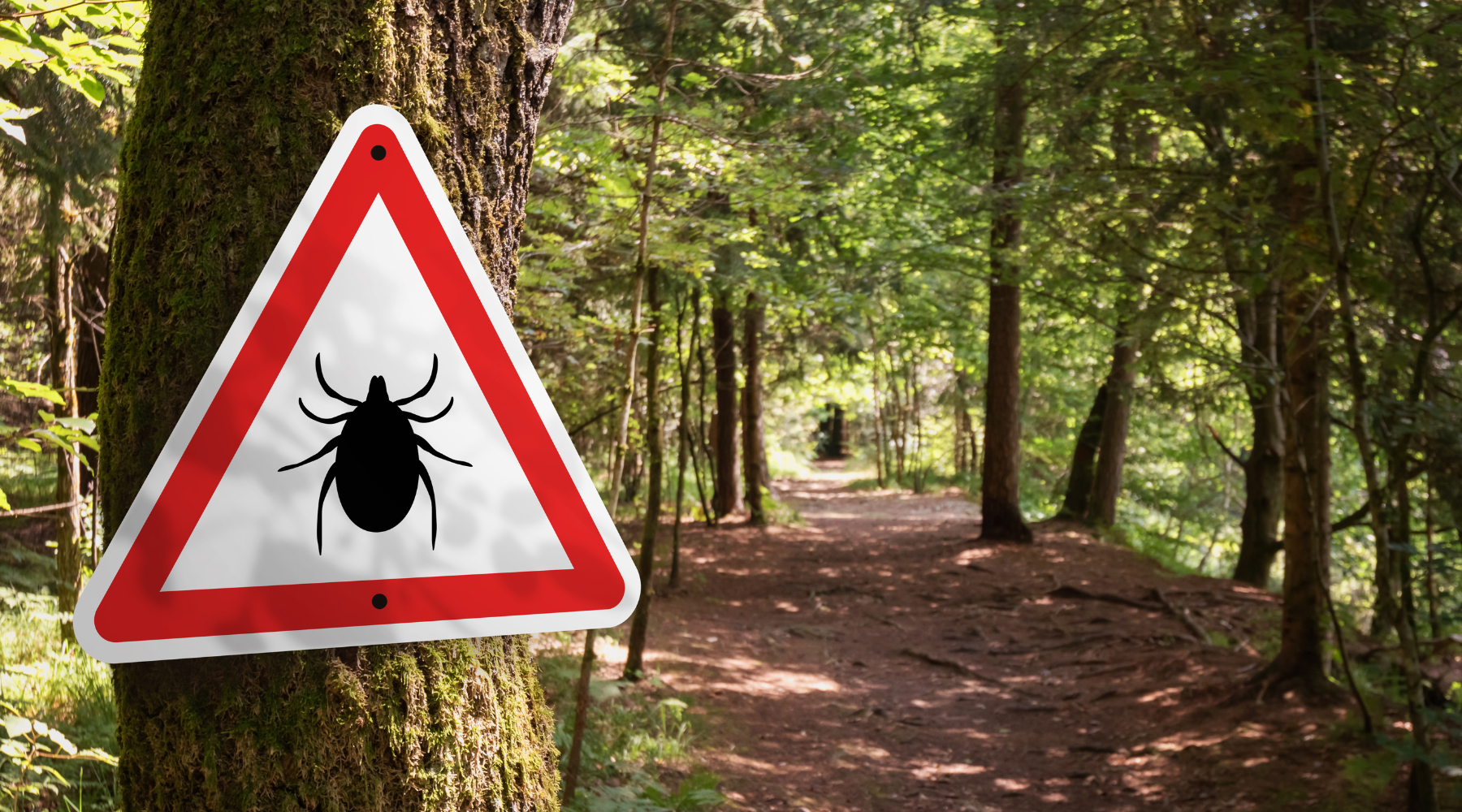
As it happens, some ticks carry alpha-gal. One of those ticks, known as the lone-star tick for the white spot in the center of females’ backs, has spread rapidly across the country. Its territory now covers at least 30 states, including Oklahoma.
With this spread has come a relative explosion of alpha-gal cases. The Centers for Disease Control estimates that anywhere from 96,000 to 450,000 Americans have developed the syndrome since 2010.
When ticks carrying alpha-gal bite us, we produce antibodies. Those antibodies can then cause an allergic reaction any time alpha-gal is reintroduced to our bodies.
The most frequent way this happens is when we eat red meat like beef or pork. But the allergy can also be triggered by dairy products, gelatin, and animal-derived medications like the blood thinner heparin and certain vaccines.
The allergy often doesn’t develop until weeks after the tick bite. Even then, symptoms don’t typically occur until several hours after consuming animal products.
The most common symptoms are general gastrointestinal distress like abdominal pain, bloating, diarrhea and nausea. Hives and skin rashes can also occur. In severe cases, the syndrome can trigger an anaphylactic reaction and, extremely rarely, death from cardiovascular causes.
Once developed, antibodies can remain in the bloodstream for years. Symptoms can fade, but subsequent tick bites or exposures to red meat or, in some people, dairy can reignite allergic responses.
As with all tick-borne illnesses, the best way to prevent alpha-gal syndrome is to avoid tick bites. That means staying out of areas where ticks dwell – or, if you go there, cover up and use proven repellents like DEET and tick-killers like permethrin.
If you get bitten by a tick, remove it as soon as possible. There’s no need to seek medical attention unless the tick was attached for an extended time or if you develop subsequent symptoms.
I wish I could tell you this is nothing to worry about. But with the changing climate, experts expect tick populations and their geographic ranges to keep expanding. That means we all need to keep an eye out for the little critters and the conditions they transmit.
As someone recently wrote, “The barbarians are crawling toward the gate.”
–
Dr. Hal Scofield is a physician-scientist at the Oklahoma Medical Research Foundation, and he also serves as Associate Chief of Staff for Research at the Oklahoma City VA Medical Center. Adam Cohen is OMRF’s senior vice president and general counsel. Send your health questions to contact@omrf.org.