

My Research
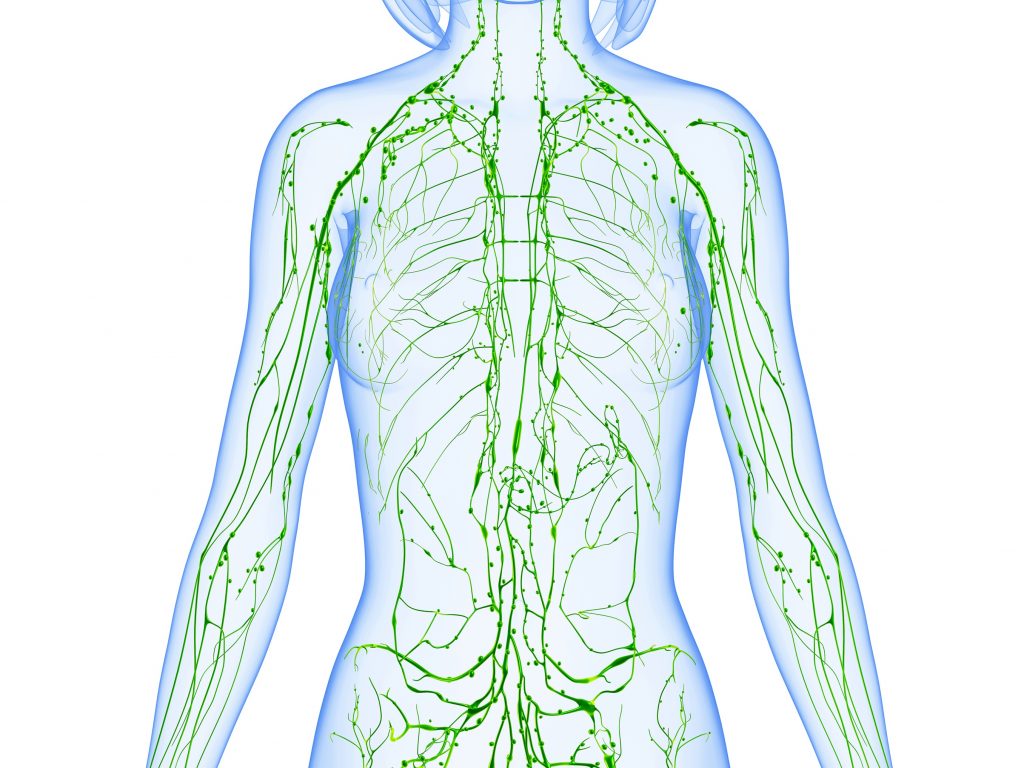
The lymphatic vasculature is composed of lymphatic vessels, lymphatic valves and lymph nodes. Together, these structures return interstitial fluid to the bloodstream, absorb dietary lipids, and play an essential role in immune function. Lymphatic vascular dysfunction results in lymphedema, a common and debilitating disease characterized by chronic swelling of the limbs. Beyond being disfiguring and mobility-limiting, lymphedema increases susceptibility to inflammation and recurrent infections.
Lymphedema can arise from mutations in genes that regulate lymphatic vascular development or, more commonly, from infection, trauma, or surgical injury to the lymphatic vasculature. Despite its high prevalence and significant morbidity, only conservative and palliative treatments, such as massage and compression garments, are available. Addressing this unmet clinical need is the major goal of my lab. Towards this goal, we seek to identify novel mechanisms that regulate lymphatic vascular development and function. Using genetic and molecular approaches, we have already identified several therapeutically important signaling pathways that regulate lymphatic vascular development.
Our work has revealed that lymphatic valves share striking molecular similarities with venous valves and cardiac valves, suggesting conserved regulatory programs across valve types. Congenital cardiac valve defects are common causes for childhood mortality and morbidity, while age–associated cardiac valve diseases, such as mitral valve prolapse and aortic valve calcification, affect more than 10% of individuals over65. These conditions can lead to complications such as atherosclerosis, pulmonary edema, thromboembolism, cardiac hypertrophy and sudden cardiac death.
Similarly, a range of venous valve defects such as spider veins, varicose veins and venous insufficiency are common in the aging population. Incompetent venous valves result in ineffective blood flow, causing pooling of blood and thrombosis. This results in embolism, delayed wound healing and tissue necrosis. In severe cases, these pathologies can lead to stroke or limb amputation.
Despite the enormous clinical burden caused by lymphatic, venous and cardiac valve diseases, our understanding of valve biology is limited. We have an urgent need to better understand the molecular and cellular mechanisms that regulate valve formationand disease, and develop therapies beyond surgeries, which are not universally available. We believe that insights gained from our studies of lymphatic valve biology will have a broad translational relevance for valve disorders that affect millions of individuals worldwide.
Research Keywords
- Cardiovascular disease
- Lymphedema
- Mitral valve relapse
- Heart disease

Lab Staff

Contact
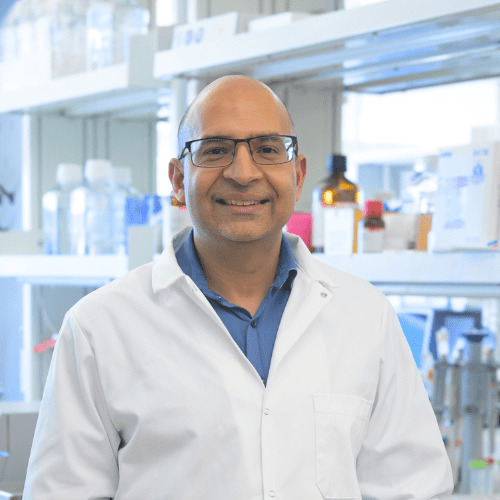
Sathish Srinivasan, Ph.D.
Cardiovascular Biology Research Program, MS 45
Oklahoma Medical Research Foundation
825 N.E. 13th Street
Oklahoma City, OK 73104
Phone: 405-271-3550
Fax: 405-271-3137