

My Research
Millions of people worldwide are affected by metabolic disorders including diabetes, obesity and cardiovascular diseases. To find novel methods for intervention and new therapeutic targets, we turned to nature. The concept of looking for naturally available solutions isn’t new – airplanes, Velcro, wetsuits and more are all inspired by nature. Likewise, organisms can give us insights into preventing disease.
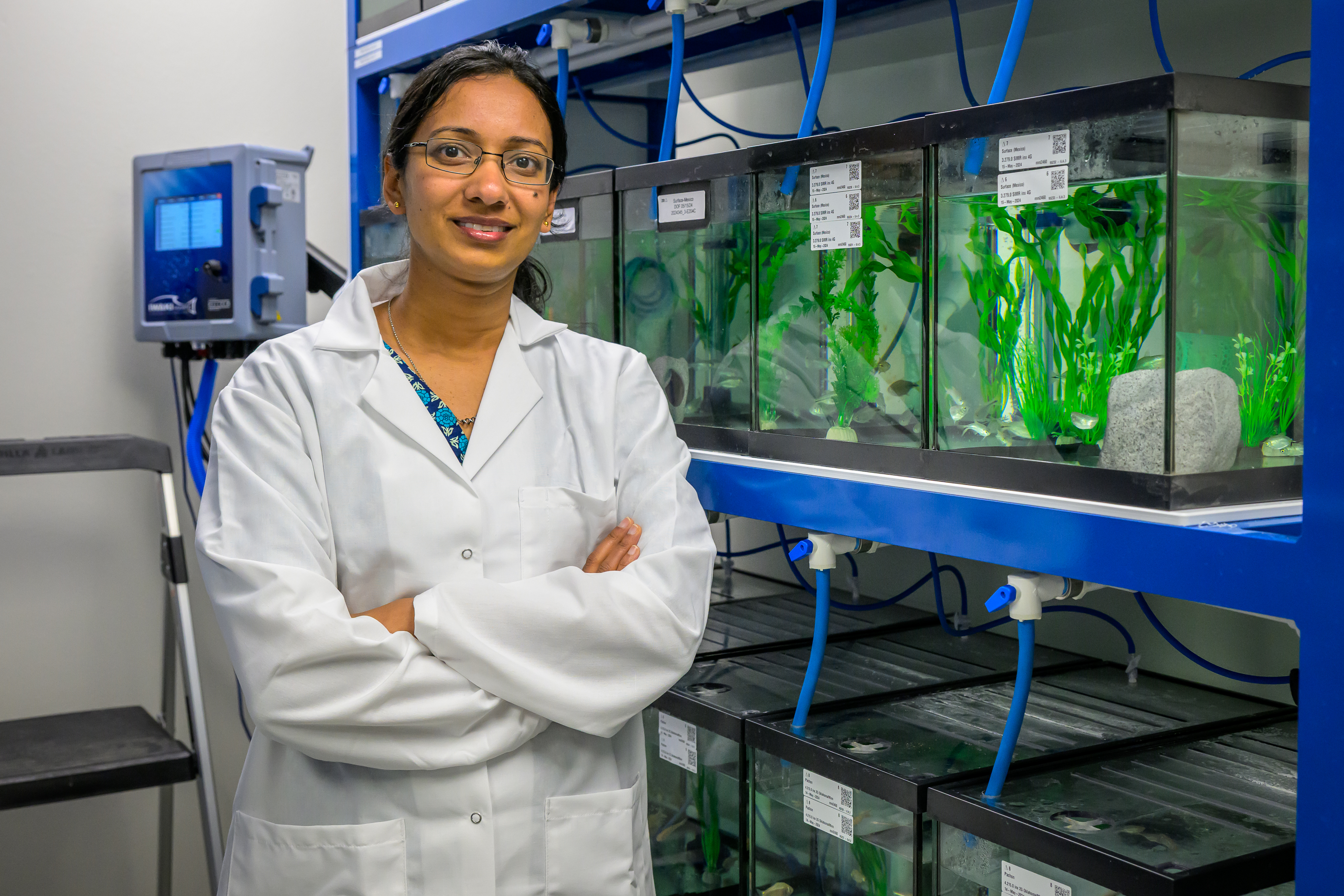
Organisms such as hibernating mammals, migratory birds, and – our favorite – the fat cavefish Astyanax mexicanus, have all adapted to store excess fat in their bodies so they can survive very long periods of low nutrient supplies. More than 150,000 years ago, the river-dwelling Astyanax mexicanus – the surface fish – got swept into and trapped in the lightless, nutrient-scarce caves in the Sierra del Abra region of Mexico, where they faced seasonal limitations in food availability, leading to extended periods of starvation. Astonishingly, they successfully survived in these habitats thanks to their adaptations. They evolved to binge eat whenever food is available, maintain high blood glucose levels, accumulate excess body fat, and develop fatty liver – all signs of metabolic disease – without any negative effects of toxicity or inflammation.
We investigate how this is possible and if we can study them to better understand human metabolic diseases such as diabetes and obesity. Research has pointed to altered stress response and energy utilization pathways as key players, so we study these processes in greater detail and seek to discover underlying genes that may cause these traits. Our goal is to unravel the molecular basis of their extraordinary survival strategies to gain insights for improving human metabolic health.
Research Keywords
- Diabetes
- Cavefish
- Evolution
- Obesity






Contact

Jaya Krishnan, Ph.D.
Genes & Human Disease Research Program, MS 57
Oklahoma Medical Research Foundation
825 N.E. 13th Street
Oklahoma City, OK 73104