

My Research
Cells are the basic building blocks of all plants and animals. Though too small to see by eye, cells are complex machines that can make exact copies of themselves through cell division. Each of us started out as one cell. As adults, we have about 50 quadrillion cells (5 followed by 16 zeros). Even as adults, we need many new cells each day to replace those that die. We each make 7 million cells per second, or about 10 billion cells each day.
Each human cell contains 46 packets of DNA, the genetic material called chromosomes. Every time a cell divides, the chromosomes are duplicated and carefully distributed so each of the two new cells gets a complete and accurate set of all the chromosomes. Usually, cell division is extremely precise, but sometimes defects occur, resulting in newly formed cells receiving an incorrect set of chromosomes.
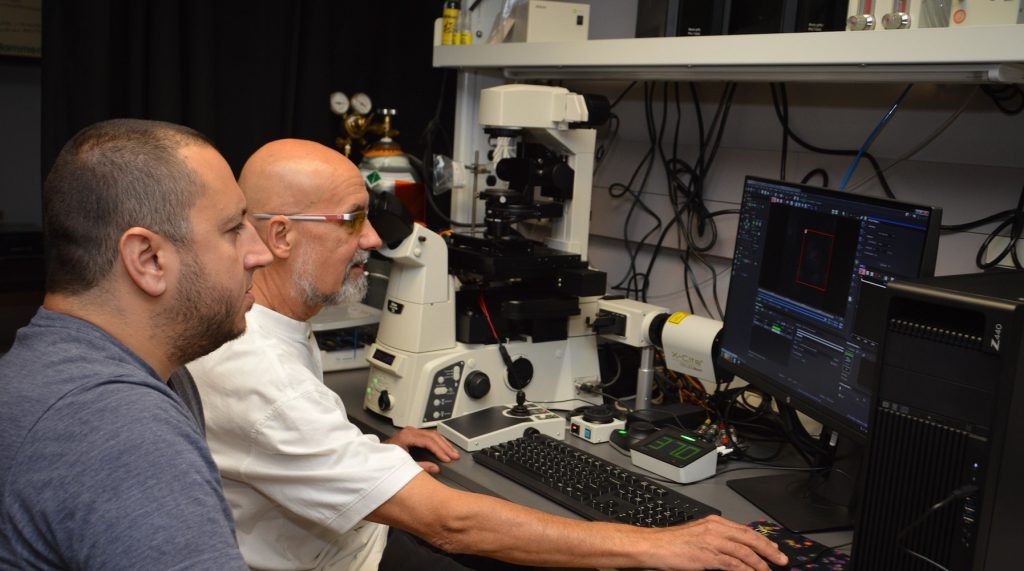
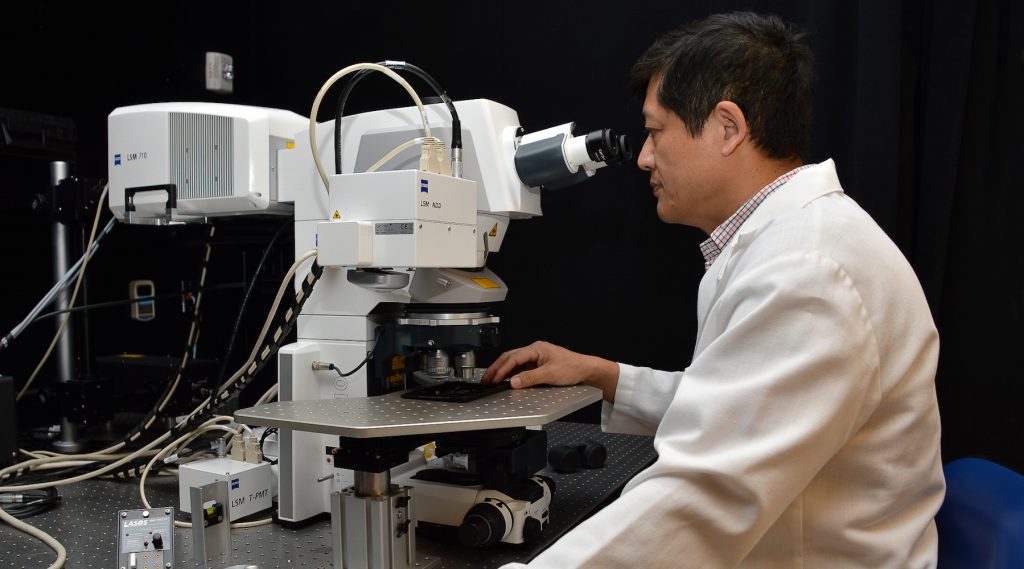
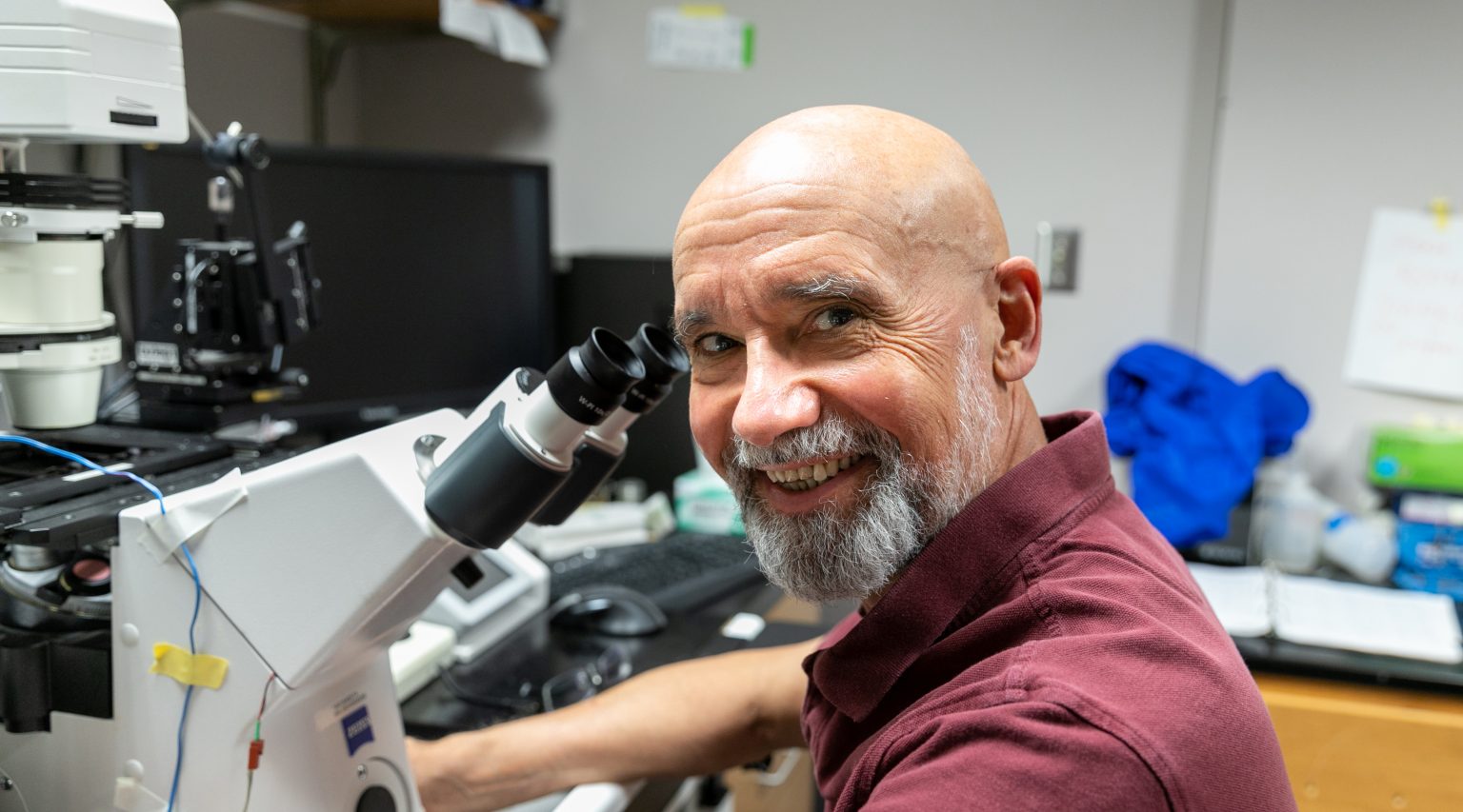
Chromosome instability, the mis-segregation of chromosomes during meiosis and mitosis, is a major cause of congenital birth defects and an important contributing element in cancer malignancy. We characterize the components of the cellular machinery that regulate the timing of chromosome segregation to ensure the genetic material is equally distributed to the newly formed cells during division. Our laboratory uses molecular biology and advanced imaging of living cells by microscopy to study the mechanisms of chromosome movement.
Currently, we are addressing the mechanochemistry of the motors that move chromosomes in mitosis and how these mechanical forces modulate kinase and phosphatase activities at the kinetochores of mitotic chromosomes. We have identified functions for several biochemical components of kinetochores, including the Ndc80 protein complex, the Aurora B kinase, and the Spindle and Kinetochore Associated (SKA) complex. We discovered a previously unrecognized inducer of chromosome instability called “cohesion fatigue.”
Human induced pluripotent stem cells (iPSCs) are a revolutionary tool in regenerative medicine and in the basic understanding of cell differentiation and human development. However, to be useful, iPSCs must be grown in artificial cell culture. Unfortunately, as they multiply, iPSCs too often gain or lose chromosomes that can make them useless for regenerative therapies and even make them cancerous. Our laboratory has recently made a major breakthrough in understanding the cause of this chromosomal instability in iPSCs. We are now working on ways to counter this problem to eliminate the threat for therapy and research.
Amphibians, particularly salamanders, are masters of regenerating new body parts such as limbs and hearts. This ability is lacking in humans. A key tool for investigating amphibian powers of regeneration is lacking. This tool is amphibian stem cell culture lines. We are developing various types of amphibian stem cell lines. We and other researchers will use these cells to help unlock the secrets of amphibian regeneration.
Research Keywords
- Cancer
- Cell division
- Regeneration




Contact
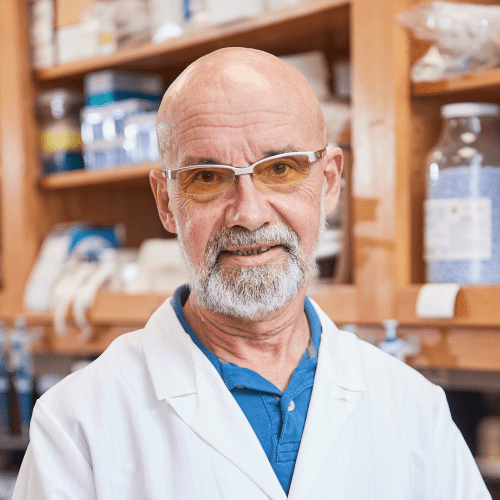
Gary J. Gorbsky, Ph.D.
Cell Cycle and Cancer Biology Research Program, MS 48
Oklahoma Medical Research Foundation
825 N.E. 13th Street
Oklahoma City, OK 73104
Phone: 405-271-8168
Fax: 405-271-7312