

Adam’s Journal
So, I’m going to pose a question that an audience member asked when you traveled around the state as part of the Oklahoma Medical Research Foundation’s “Spotlight Conversations” series:
Should we all be taking creatine?
Dr. Scofield Prescribes
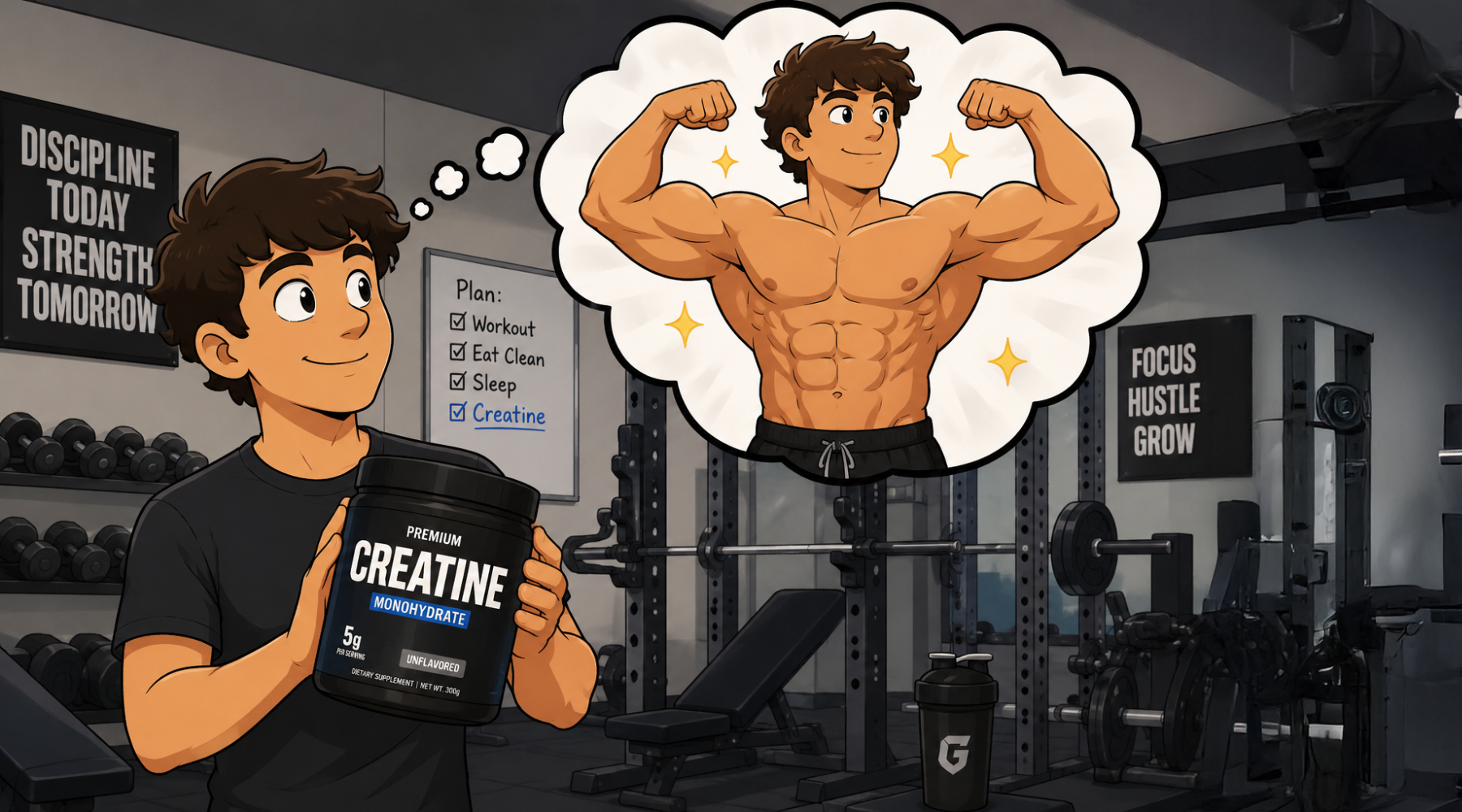
The supplement creatine has long been a favorite of athletes and bodybuilders for boosting muscle mass and athletic performance. But these days, its use has expanded.
Our livers, kidneys and pancreas produce creatine. We also get it in our diet from animal products like red meat and fish.
Our muscles use a product derived from creatine to generate energy, especially during high-intensity activities like lifting weights or sprinting. Most of us get sufficient creatine (about two grams) from a combination of diet and what our bodies generate.
The idea behind creatine supplementation is that it helps the body rapidly regenerate adenosine triphosphate (ATP), which is the primary source of energy used during short bursts of high-intensity exercise. This enables the body to work harder for longer, which both enhances performance and promotes muscle growth.
In addition to bodybuilders and other athletes, some vegetarians — whose only source of the compound is their own bodies — have taken creatine supplements. In healthy people, the supplements have generally been shown to be safe.
Clinical trials and other studies have found that athletes who take creatine can generate 5–15% more strength or force during repeated short bursts of activity. An analysis of dozens of clinical trials also showed that people who took creatine while resistance training increased their lean body mass by an average of more than two pounds.
Creatine also pulls water into muscle cells, causing them to swell. This can lead to some weight gain, which is most often temporary.
People with kidney disease should consult their doctors before taking creatine, as it could further strain their kidneys. Other potential drawbacks, while usually mild, include gas, bloating and an upset stomach.
Beyond what we see in the mirror, the relatively minor gains that creatine supplementation provides during intense workouts may be invisible to most of us. But as we age and lose muscle mass, the supplement could help counter age-related muscle loss.
It’s important to emphasize that creatine supplementation alone is insufficient to provide benefits. Those gains only come in combination with a regular strength training regimen.
Researchers have begun to look at other potential benefits of creatine supplementation, including cognitive gains, blood sugar control, bone health, and a variety of disease-specific questions. However, the studies so far are limited, and the results have been mixed.
–
Dr. Hal Scofield is a physician-scientist at the Oklahoma Medical Research Foundation, and he also serves as Associate Chief of Staff for Research at the Oklahoma City VA Medical Center. Adam Cohen is OMRF’s senior vice president and general counsel. Send your health questions to contact@omrf.org.