

Adam’s Journal
Here’s a question from an Oklahoma Medical Research Foundation coworker:
I heard someone say the other day that drinking room-temperature water was better for digestion than ice-cold. Is this true?
Beth Benefield
Dr. Scofield Prescribes
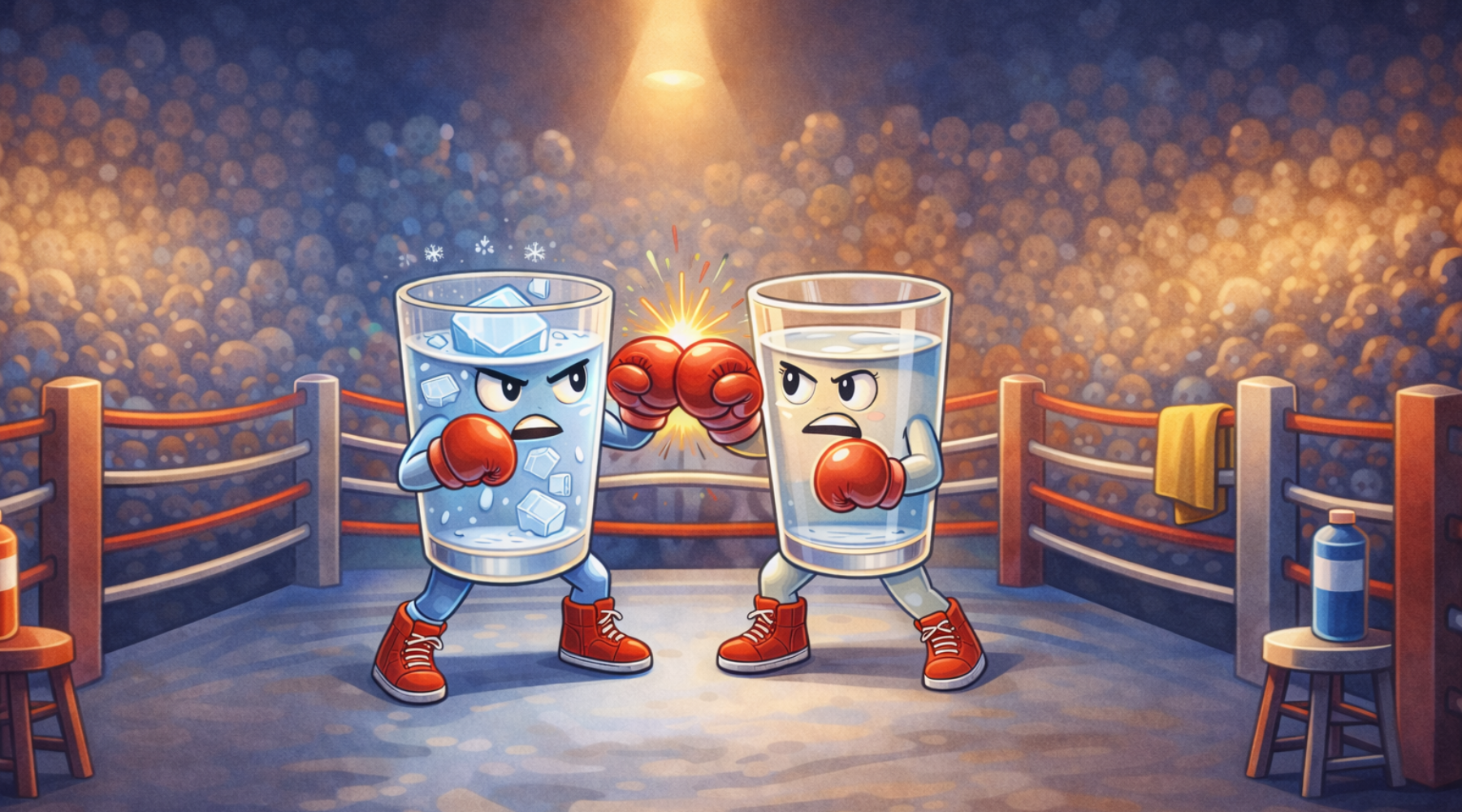
There’s not a lot of research on this topic. But from what we know, when it comes to the benefits of hydration, the important factor is not the temperature of the water but rather how much we drink.
The best-studied cases involve athletes. From studies, we know — unsurprisingly — that cold water is better for cooling the body during exercise. It helps delay or offset increases in core body temperature.
In addition, we’ve seen that drinking colder water can improve rehydration in hot conditions after exertion. Again, it aligns with most of our experience, but studies show that we consume more in these circumstances if water is chilled.
These benefits also seem to hold true in more generalized heat conditions – cold water cools us more effectively, and we drink more of it.
So, when it comes to hydration, the advantage goes to cold water, at least for exercise and cooling the body.
The idea that warmer water aids digestion is not new; indeed, it’s part of traditional Chinese and Ayurvedic medicine practices. And while there’s a small amount of data suggesting that warm water could help move food through the digestive system, it’s not enough to draw conclusions.
For some people, warmer water may be more comfortable to drink in large amounts. Similarly, certain individuals may find it easier on their stomachs to drink room-temperature water.
However, research does not point to any physiological advantages to drinking room-temperature water for the purpose of aiding digestion.
When it comes to water consumption, the goal is to make sure we get enough. This is especially true as we grow older: It’s been shown that the thirst sensation diminishes with aging.
As a result, older adults are at greater risk for dehydration, especially due to medications and certain illnesses. Dehydration in these circumstances can lead to a wide range of issues, including confusion, falls, urinary tract infections and kidney problems.
In the end, drinking water temperature comes down to individual preference. If you like cold better, drink it. Ditto for warmer water.
Hot, cold or in between, whatever makes you most inclined to hydrate is the “best” one for you.
–
Dr. Hal Scofield is a physician-scientist at the Oklahoma Medical Research Foundation, and he also serves as Associate Chief of Staff for Research at the Oklahoma City VA Medical Center. Adam Cohen is OMRF’s senior vice president and general counsel. Send your health questions to contact@omrf.org.